
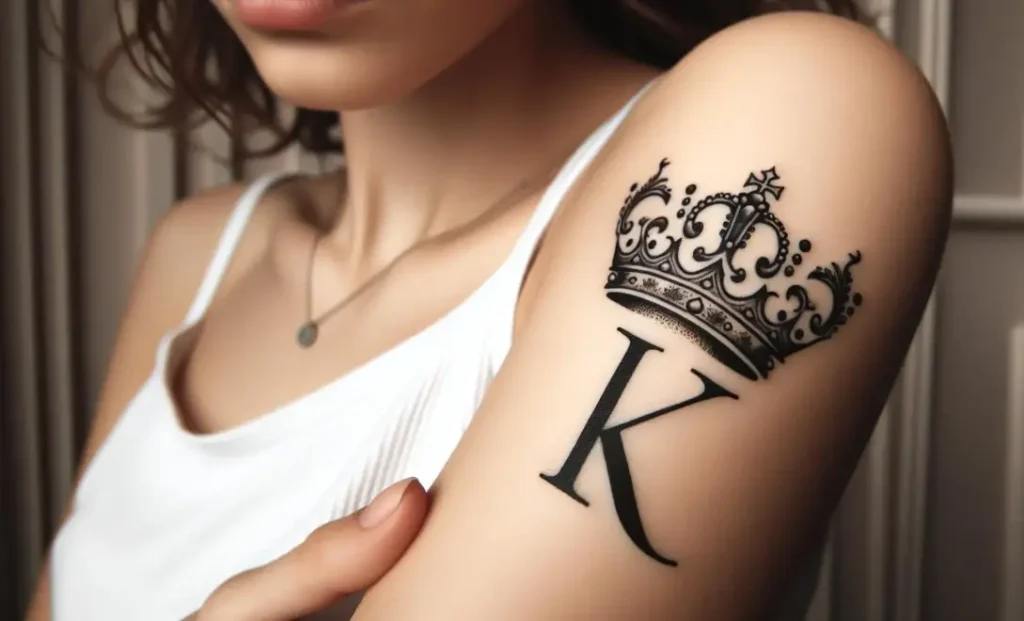
K-tattoo legalization is transforming South Korea’s tattoo industry by introducing national licensing, safety standards, and transparent regulation. These reforms elevate artist credibility, expand global demand, and position Korea as a leading hub for tattoo artistry and tattoo tourism.
KinInk.co.kr
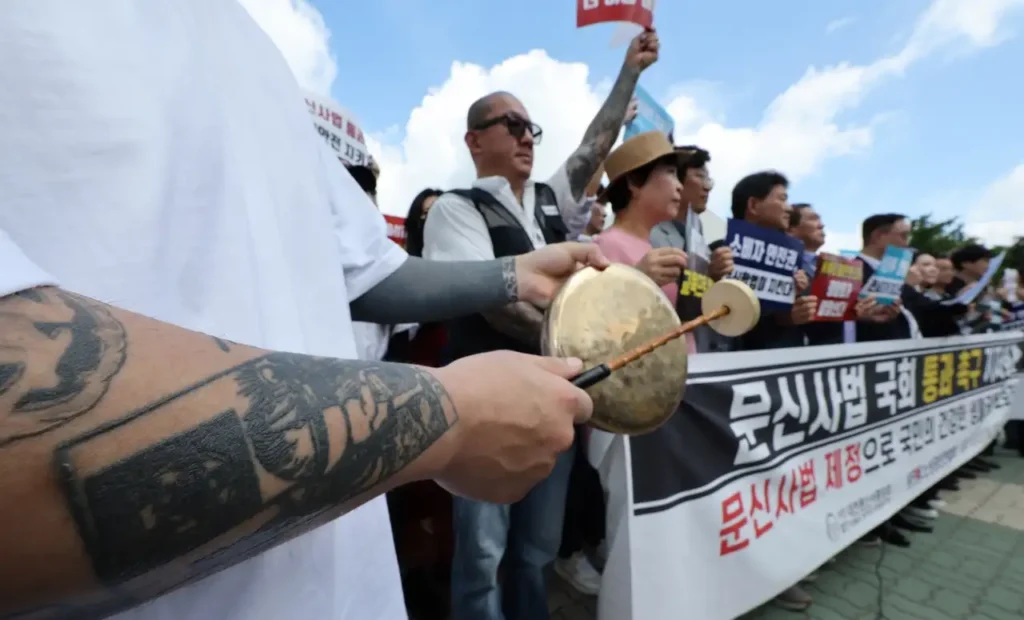
South Korea’s tattoo industry is stepping out of the shadows after decades of operating under the label of “illegality.”
With the National Assembly’s passage of the Tattoo Artist Act (reported around September 2025), an estimated 200,000 to 300,000 tattoo practitioners are finally gaining official recognition as licensed professionals.
This legislative milestone is poised to become the turning point that propels K-tattoo from a domestic subculture to a global artistic powerhouse—one supported by legal protection, regulated training, and international credibility.
Table of Contents
The Current and Future Landscape of Korea’s Tattoo Market
A Mass-Market Customer Base: Tattoo Users Already Number in the Millions
The domestic market is far from niche. When including semi-permanent procedures such as eyebrow tattoos, 13 to 16 million Koreans are estimated to have received some form of tattoo.
In short—tattooing in Korea is already mainstream.
A Huge Workforce Comes Into the Light
Reports estimate approximately 350,000 practitioners in the field (around 50,000 tattoo artists and 300,000 semi-permanent makeup professionals).
Collectively, the tattoo and semi-permanent makeup market already surpasses ₩1 trillion, with the semi-permanent segment alone valued at ₩2–3 trillion.
Legalization does not create a new industry—it formalizes an enormous one that already exists.
Legal Protection for Professional Tattoo Artists
Until now, all non-medical tattoo procedures were considered illegal.
With the Tattoo Artist Act, a national licensing system is being introduced. This ensures:
- Artist rights and safety
- Uniform quality standards
- Strong hygiene and sanitation regulations
Such measures significantly increase trust among domestic and international clients.
Greater Transparency in the Tattoo Ink Market
In the past, less than 10% of ink suppliers reportedly filed proper import or regulatory documentation—highlighting how deeply the industry operated in the shadows.
Now, ink safety, distribution, and inspection procedures will be transparent and regulated, addressing long-standing consumer concerns and accelerating the industry’s formalization.
Growth Forecast After Legalization
With legal recognition, tattoo tourism, medical-grade hygiene standards, and K-beauty partnerships are expected to rapidly accelerate market expansion.
Demand is especially strong among younger generations, a trend that ensures long-term growth momentum for both artistic tattooing and semi-permanent procedures.
Legalization does not create a market—
It transforms an already massive market into a data-driven, standardized industry.
K-Tattoo’s Leap Toward Global Competitiveness
Korean tattoo artistry is already recognized internationally for its fine-line precision, micro-detailing, and unique visual style—often referred to as Fine Tattoo or K-tattoo.
Foreign clients frequently travel to Korea specifically for tattoo sessions, leading to the rise of “tattoo tours.”
Legalization will strengthen this global position through:
1. National Standards and Licensing
A formal licensing system places Korea on par with leading countries where tattoos are regulated as a beauty and artistic profession, eliminating legal barriers for international expansion.
2. Structured Professional Education
Korea’s rapid talent development—fueled by art students and specialized academies—has been one of the industry’s hidden strengths.
Legalization offers an opportunity to formalize this education pipeline, improving training quality and ensuring consistent standards nationwide.
3. Synergy With the Global K-Beauty Movement
K-beauty is known worldwide for its precision, safety, and innovation.
Integrating these strengths with tattooing and semi-permanent procedures will accelerate Korea’s rise as a global leader not only in cosmetics—but in tattoo artistry and aesthetic enhancement.
The world has seen the rise of K-beauty.
Next comes the rise of K-tattoo.
Tattoo Tourism in Korea: A High-Potential Industry—But Not Automatic
Tattoo tourism cannot thrive on demand alone.
To turn international interest into a sustainable industry, several requirements must be met:
Essential Conditions for Tattoo Tourism Success
- Visibility of licensed artists and certified studios (public registries, searchable platforms)
- Clear documentation of ink safety, hygiene standards, and procedure protocols
- Multilingual systems for consultation, consent forms, aftercare, and customer communication
- Unified service standards across the industry
The Tattoo Artist Act creates the legal foundation.
But building the actual tourism ecosystem will depend on the industry’s ability to execute, organize, and standardize.
The Future of K-Tattoo: Safety and Transparency as the Core Values
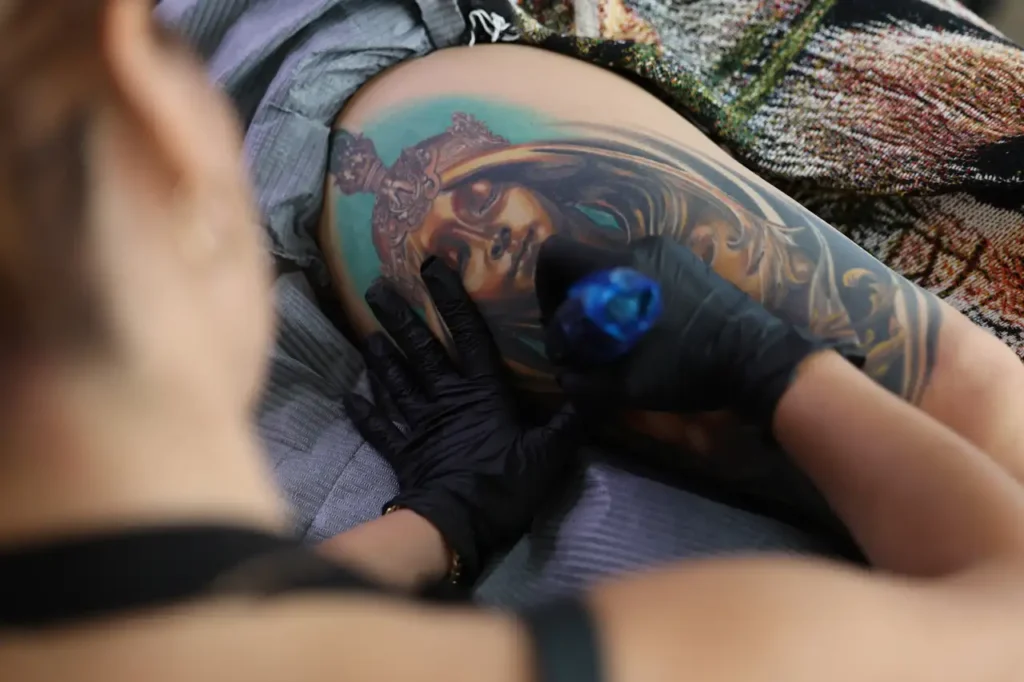
Korea’s tattoo legalization is more than a change in status—it is an opportunity to reshape the entire industry.
The next phase of growth will be driven by:
- Transparent quality control
- Standardized hygiene and safety
- Trustworthy materials and certified training
The artists, studios, and companies that meet these standards early—and provide clear, verifiable evidence to customers—will secure the strongest position in the emerging K-tattoo era.
Conclusion: A Legal Foundation for a Global Cultural Breakthrough
K-tattoo is poised to become Korea’s next global cultural export, following the footsteps of K-beauty and K-pop.
Legalization does not simply protect artists—it elevates the entire industry, builds consumer trust, and unlocks international opportunities.
As safety, transparency, and professionalism become the new norms, Korea is on the verge of leading a global tattoo renaissance.

