Tattoo Blog

How Is Tattoo Ink Made?

How Is Tattoo Ink Made? A Complete Guide to Tattoo Ink Manufacturing, Ingredients, and Safety Standards (2026)

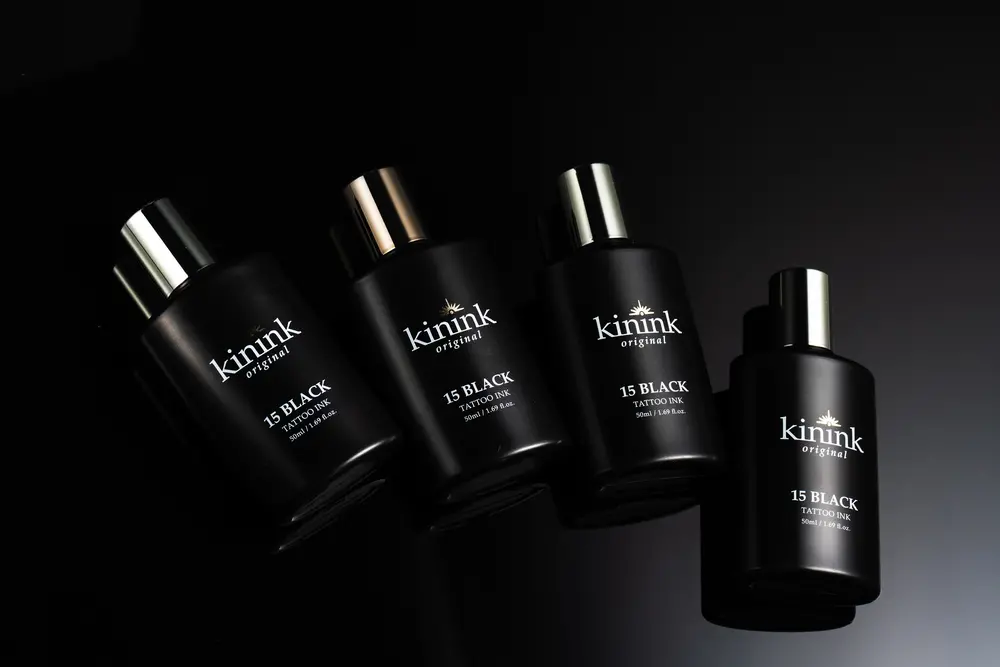
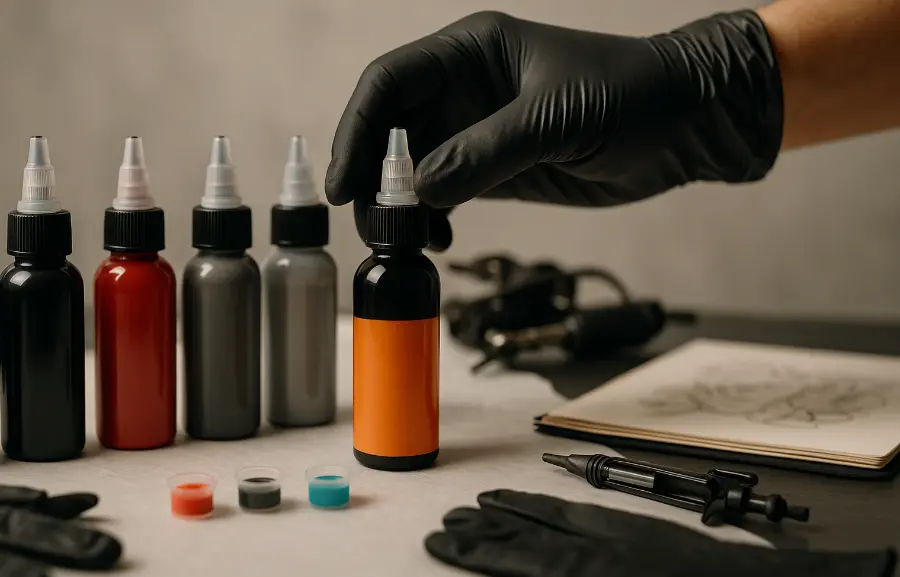
What is tattoo ink made of? Tattoo ink is made of pigments for color and a carrier solution like water, alcohol, and glycerin to keep pigments evenly suspended. KinInk.co.kr Tattoo ink is not simply “colored liquid.” It is a precisely engineered dispersion of pigments, solvents, and stabilizing agents designed to be deposited permanently into the […]

How Is Tattoo Ink Made? A Complete Guide to Tattoo Ink Manufacturing, Ingredients, and Safety Standards (2026) Read More »

2026 Global Tattoo Trends & Complete Guide to Popular Styles by Country

2026 Global Tattoo Trends & Complete Guide to Popular Styles by Country

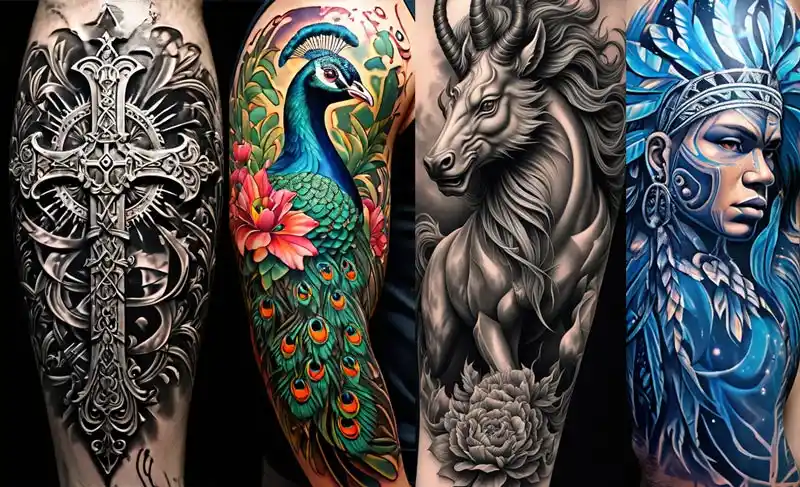
In 2026, global tattoo trends are shaped by precision techniques, cultural fusion, and technology-driven equipment innovation. Across the United States, Europe, and Asia, the industry is moving toward finer detail, skin-conscious application, and long-term aesthetic stability rather than bold, high-saturation work alone. KinInk.co.kr The most dominant global directions include: From a professional tattoo artist’s perspective,

2026 Global Tattoo Trends & Complete Guide to Popular Styles by Country Read More »

Guide to Selecting Tattoo Ink Manufacturers

Guide to Selecting Tattoo Ink Manufacturers Based on 2026 Safety Certification Standards (FDA & EU REACH Complete Analysis)

To select a safe and compliant tattoo ink manufacturer in 2026, prioritize companies that demonstrate verifiable compliance with FDA guidance and EU REACH regulations, provide full ingredient transparency, follow Good Manufacturing Practices (GMP), and offer third-party laboratory testing for contaminants (heavy metals, PAHs, microbes).The most reliable manufacturers will also supply batch traceability, safety data sheets

Guide to Selecting Tattoo Ink Manufacturers Based on 2026 Safety Certification Standards (FDA & EU REACH Complete Analysis) Read More »

Safe Tattoo Pigments Guide: Evidence-Based Standards for Safer Ink Selection

Safe Tattoo Pigments Guide (2026): Evidence-Based Standards for Safer Ink Selection

Safe tattoo pigments are those that comply with modern regulatory standards (EU REACH and FDA guidance), avoid high-risk contaminants (heavy metals, certain azo dyes, PAHs), are produced under sterile manufacturing conditions, and are transparently labeled with full ingredient disclosure. KinInk.co.kr For both tattoo artists and clients, the safest approach is to choose inks that are

Safe Tattoo Pigments Guide (2026): Evidence-Based Standards for Safer Ink Selection Read More »

Tattoo Ink Safety Guide: Critical Risks Every Artist Must Avoid

Tattoo ink safety refers to using sterile, regulated, and high-quality pigments to prevent infections, allergic reactions, and long-term skin complications. Artists and clinics must verify ingredients, ensure compliance with regulations, and use properly manufactured inks to protect client health and maintain professional standards. KinInk.co.kr Tattoo ink safety depends on three core factors: ingredient quality, sterile

Tattoo Ink Safety Guide: Critical Risks Every Artist Must Avoid Read More »

Tattoo price after legalization Korea showing studio hygiene standards and regulated ink use

Tattoo Price Outlook After Legalization

Tattoo price outlook after legalization in Korea suggests prices will not rise uniformly, but baseline costs are likely to increase as licensing, hygiene compliance, insurance, and regulated ink standards take effect. The key shift is not simple price inflation, but a structural change toward transparent, safety-driven and value-based pricing. KinInk.co.https://kinink.co.kr/en/partners/kr Tattoo price after legalization Korea

Tattoo Price Outlook After Legalization Read More »

Licensed tattoo artist performing hygienic procedure under professional tattoo licensing standards

The Essential New Tattoo Licensing Standard Every Professional Artist Must Master

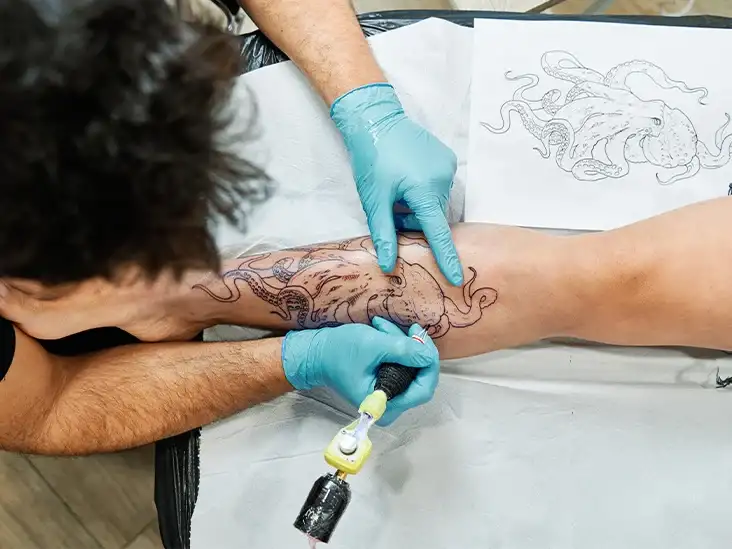
The tattoo licensing standard for professional artists requires national certification, registered studio compliance, and documented hygiene systems. In the licensing era, success depends on safety training, infection control protocols, liability insurance, and traceable pigment records—not artistic talent alone. KinInk.co.kr As of 2026, Korea’s tattoo industry is entering a structural transition:from a skill- and art-centered market

The Essential New Tattoo Licensing Standard Every Professional Artist Must Master Read More »

Tattoo artist preparing studio and documents for 2027 Tattoo Act compliance

Critical 2026 Preparations for the 2027 Tattoo Act: Avoid Legal Pitfalls

The 2027 Tattoo Act legalizes non-medical tattooing in South Korea, requiring licensed tattooists and registered studios. Tattooists must complete hygiene training, prepare SOPs, secure liability insurance, and gather documentation for temporary registration. 2026 is the crucial year to align operations with legal requirements. KinInk.co.kr With the 2027 Tattoo Act set to take effect on October

Critical 2026 Preparations for the 2027 Tattoo Act: Avoid Legal Pitfalls Read More »