
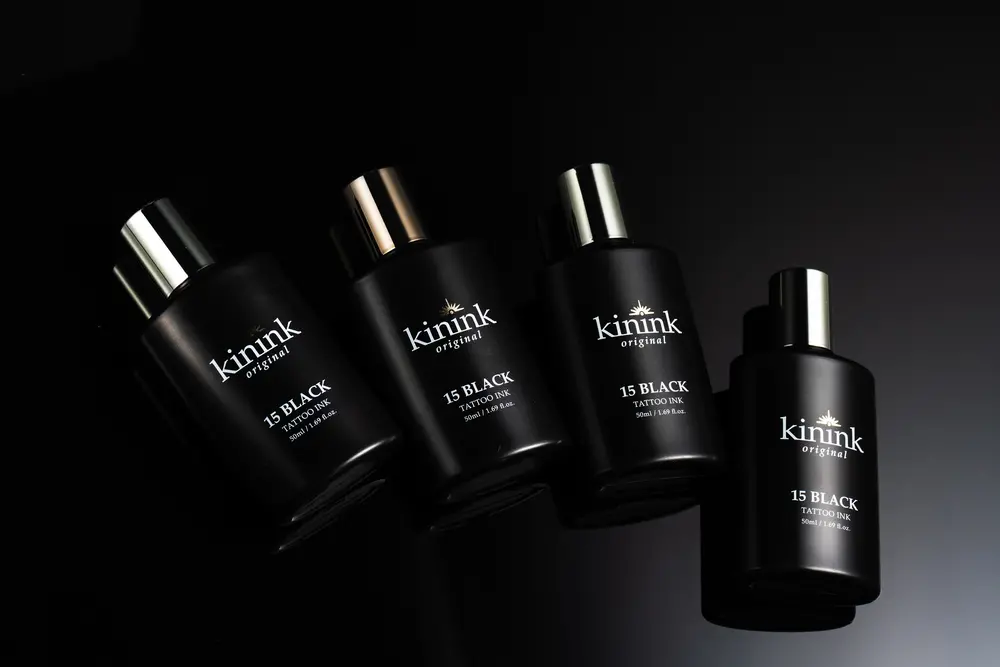

Choosing a tattoo ink supplier requires evaluating sterility, REACH compliance, quality control, batch consistency, and regulatory documentation. The best tattoo ink supplier provides transparent manufacturing practices, reliable testing, and consistent product performance to ensure safety, legal compliance, and long-term business reliability.
KinInk.co.kr
Choosing a tattoo ink supplier is one of the most important decisions for tattoo studios, distributors, and private-label brands. The best supplier is not simply the one with the lowest price. A reliable tattoo ink manufacturer should provide sterile production, documented quality control, regulatory compliance, pigment transparency, batch traceability, and consistent color performance.
For professional tattoo businesses, ink quality directly affects healing outcomes, color retention, customer satisfaction, and legal compliance. In many markets, especially the European Union, regulations governing tattoo inks have become significantly stricter. As of 2026, buyers should evaluate suppliers using a structured quality and compliance framework rather than relying on marketing claims alone.
This guide explains how experienced tattoo professionals assess ink suppliers, what certifications matter, which warning signs to avoid, and how to build a long-term sourcing relationship.
Table of Contents
What is a tattoo ink supplier?
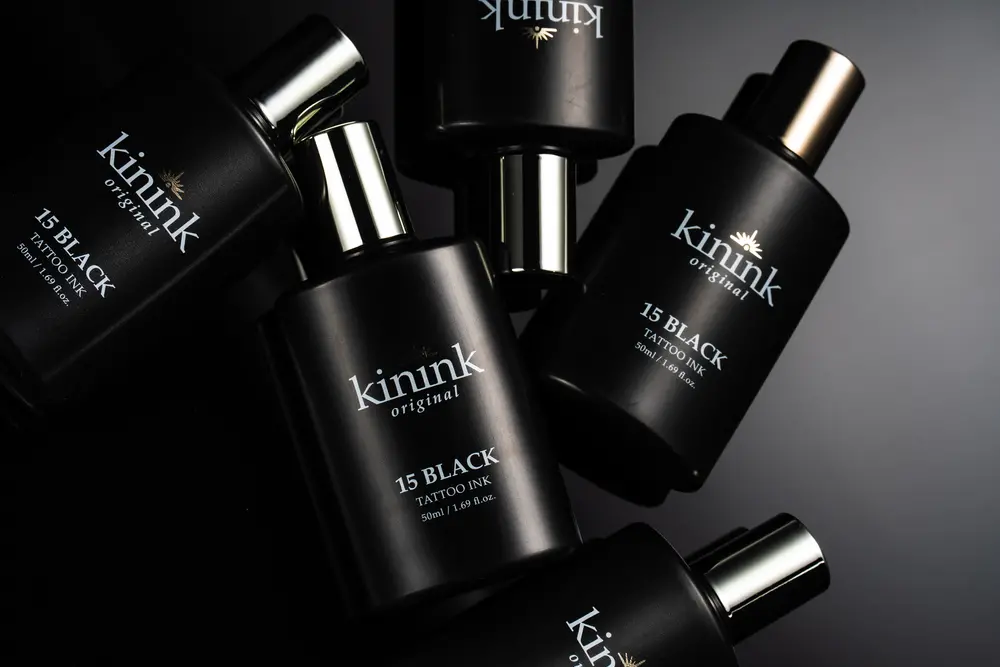
A tattoo ink supplier is a company that manufactures or distributes tattoo pigments and related products for professional tattoo use. Suppliers generally fall into three categories:
- Original manufacturers (OEM/ODM) that produce ink in their own facilities.
- Brand owners that outsource manufacturing under their label.
- Distributors and wholesalers that import and resell tattoo inks.
For studios purchasing ink regularly, buying from a reputable manufacturer or an authorized distributor usually provides better traceability and technical support.
The most important factor: product safety
The first question should not be “How vibrant is the color?” It should be “How is this ink manufactured?”
Professional tattoo inks should be produced under controlled manufacturing conditions designed to minimize contamination and ensure product consistency.
A trustworthy supplier should provide
- Sterile manufacturing processes
- Microbiological testing
- Batch identification numbers
- Expiration dating
- Ingredient documentation
- Safety Data Sheets (SDS)
- Certificates of analysis when appropriate
Contaminated tattoo ink has been associated with bacterial infections and product recalls in multiple countries. Sterility assurance and quality control are therefore fundamental purchasing criteria.
Regulatory compliance in 2026
Regulatory requirements vary by country, but compliance has become increasingly important for international buyers.
European Union
Tattoo inks sold in the EU must comply with REACH restrictions applicable to tattoo and permanent makeup substances. These rules restrict numerous pigments and chemical substances that may pose health concerns.
United States
The U.S. FDA regulates tattoo inks under cosmetic-related authorities, although regulatory oversight differs from the EU framework.
Other markets
Countries such as Germany, France, Spain, Japan, and South Korea may have additional import, labeling, or chemical documentation requirements.
A supplier that exports internationally should understand these regulatory frameworks and provide appropriate compliance documentation.
A practical supplier evaluation checklist
Professional purchasing managers often use a structured scoring system rather than making decisions based on samples alone.
| Evaluation area | What to verify |
|---|---|
| Sterility | Validated sterile production and testing |
| Regulatory compliance | REACH, labeling, and documentation |
| Quality control | Batch testing and consistency |
| Pigment transparency | Ingredient and pigment information |
| Traceability | Lot numbers and manufacturing records |
| Technical support | SDS, certificates, and responsive communication |
| Supply reliability | Inventory stability and lead times |
Suppliers that cannot provide documentation for these categories should be evaluated cautiously.
How experienced studios test a new ink supplier
Professional studios rarely switch suppliers immediately. A structured evaluation process reduces operational risk.
Step 1: review documentation
Request:
- SDS
- Regulatory compliance statements
- Manufacturing information
- Shelf-life specifications
- Storage recommendations
Step 2: inspect packaging
Professional packaging should include:
- Lot number
- Manufacturing or expiration date
- Volume
- Manufacturer identification
- Storage instructions
Step 3: evaluate consistency
Test multiple bottles from the same color family for:
- Viscosity
- Pigment dispersion
- Flow through different needle configurations
- Mixing behavior
Step 4: monitor healed results
Fresh application alone is insufficient. Evaluate:
- Color retention
- Healing characteristics
- Need for excessive touch-ups
- Consistency across clients
Experienced artists typically assess healed outcomes over several weeks before adopting a new ink line.
Why batch consistency matters
One of the most overlooked supplier issues is batch-to-batch variation.
Inconsistent pigment concentration can affect:
- Saturation
- Healing appearance
- Cover-up performance
- Color matching
- Long-term fading
Reliable manufacturers use standardized production procedures and quality testing to minimize variation between production batches.
For studios performing realism, color portrait, or large-scale projects, consistency is essential for predictable results.
Questions to ask every tattoo ink supplier
Before placing a wholesale order, ask these questions.
Manufacturing
- Is the ink manufactured in-house?
- What sterility procedures are used?
- Are products microbiologically tested?
Quality control
- How is pigment consistency verified?
- Are batches retained for traceability?
- What happens if a batch fails testing?
Compliance
- Is the ink compliant with EU REACH requirements?
- Can you provide supporting documentation?
- Are labels customized for different markets?
Supply chain
- What is the typical lead time?
- Can inventory be reserved?
- What are minimum order quantities?
Technical support
- Do you provide SDS?
- Can you support customs documentation?
- Is formulation support available for OEM clients?
Professional suppliers usually answer these questions clearly and promptly.
OEM and private-label considerations
For businesses creating their own tattoo ink brand, supplier selection becomes even more important.
Evaluate
- Formulation capabilities
- Color customization
- Packaging options
- Label design support
- Regulatory documentation
- Production scalability
- Confidentiality agreements
An experienced OEM manufacturer should be able to support product development, testing, compliance, and commercial production.
Warning signs of a poor supplier
Several red flags frequently appear in problematic sourcing relationships.
Be cautious if a supplier
- Cannot provide SDS
- Refuses manufacturing information
- Lacks batch numbers
- Makes unrealistic safety claims
- Offers unusually low prices without explanation
- Has inconsistent packaging
- Cannot explain regulatory compliance
- Provides no traceability documentation
Price alone should never be the deciding factor for tattoo ink procurement.
The true cost of cheap tattoo ink
Low-cost ink may appear attractive initially, but the long-term costs can be substantial.
Potential consequences include:
- Increased touch-up rates
- Client dissatisfaction
- Studio reputation damage
- Regulatory issues
- Product waste
- Color inconsistency
- Supply interruptions
For professional studios, ink typically represents a relatively small percentage of the total tattoo service value. Reliability often has a greater financial impact than small differences in bottle cost.
International sourcing: additional considerations
If importing tattoo ink from another country, verify:
- Customs classification
- Import documentation
- Label translation requirements
- Chemical registration requirements
- Shipping conditions
- Temperature sensitivity
- Insurance coverage
A supplier experienced in international distribution can usually provide export documentation and logistics support.
Building a long-term supplier partnership
The strongest supplier relationships are collaborative rather than transactional.
Valuable long-term partners provide
- Consistent inventory
- Early notice of regulatory changes
- Technical product updates
- Color development support
- Faster problem resolution
- Better commercial terms over time
Studios and distributors that maintain stable purchasing relationships often receive better production scheduling and technical support.
A real-world evaluation scenario
Consider a studio expanding from one location to five locations.
The owner receives offers from three suppliers.
Supplier A
Lowest price but limited documentation.
Supplier B
Moderate price with REACH documentation, SDS, batch testing, and stable lead times.
Supplier C
Premium price with extensive technical support and custom color development.
For a multi-location operation, Supplier B often represents the best balance of compliance, consistency, and operational reliability. The lowest-cost option may create greater long-term risk through inconsistent product performance.
FAQs
How do I choose a tattoo ink supplier?
Choosing a tattoo ink supplier should start with verifying sterile manufacturing, REACH compliant tattoo ink documentation, batch traceability, and tattoo ink quality control. A reputable tattoo ink manufacturer should provide Safety Data Sheets (SDS), regulatory documentation, and consistent product performance across production batches.
Why is REACH compliant tattoo ink important when choosing a tattoo ink supplier?
REACH compliant tattoo ink helps ensure that tattoo pigments and ingredients meet European chemical safety restrictions. When choosing a tattoo ink supplier, REACH compliance demonstrates stronger regulatory documentation, safer formulations, and better suitability for international distribution.
What documents should a tattoo ink manufacturer provide?
A professional tattoo ink manufacturer should provide Safety Data Sheets (SDS), compliance statements, batch numbers, expiration dates, and tattoo ink quality control documentation. These records help verify product safety, manufacturing standards, and regulatory compliance.
How can I verify tattoo ink quality control before buying?
Tattoo ink quality control can be verified by requesting microbiological testing information, batch consistency records, sterility procedures, and manufacturing quality documentation. A reliable tattoo ink supplier should be able to explain how pigment consistency and contamination prevention are managed.
Is buying directly from a tattoo ink manufacturer better than using a distributor?
Buying directly from a tattoo ink manufacturer can improve traceability, technical support, and product documentation. However, authorized distributors may offer faster delivery, lower minimum order quantities, and local support while still supplying REACH compliant tattoo ink and verified tattoo ink quality control records.
The bottom line
Choosing a tattoo ink supplier requires evaluating safety, manufacturing quality, regulatory compliance, consistency, and long-term reliability. The best supplier is one that can document sterile production, provide transparent technical information, maintain consistent batches, and support evolving international regulations.
For professional tattoo studios, distributors, and private-label brands, a structured supplier assessment process is one of the most effective ways to improve product quality, reduce operational risk, and build a trustworthy tattoo business.
References
- European Chemicals Agency (ECHA). REACH restrictions for substances in tattoo inks and permanent makeup.
- U.S. Food and Drug Administration (FDA). Tattoo inks and permanent makeup guidance and safety information.
- International Organization for Standardization (ISO). Quality management principles and manufacturing standards.

