
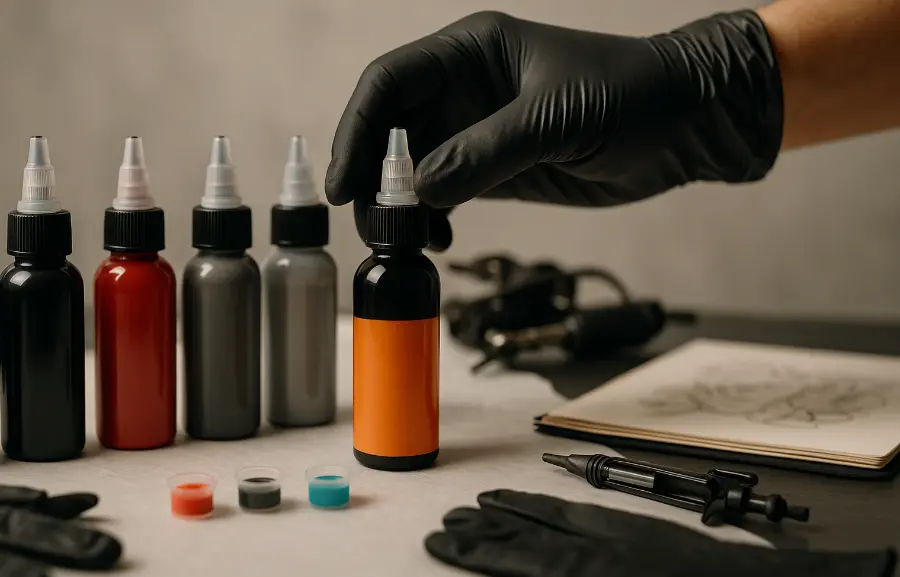

Tattoo color changes over time because pigment particles are affected by the immune system, UV exposure, skin aging, and natural pigment breakdown. Maintaining tattoo color requires high-quality ink, proper aftercare, sun protection, and healthy skin maintenance to reduce fading and preserve vibrancy for years.
KinInk.co.kr
Tattoo color changes over time because tattoo pigments are gradually affected by the body’s immune system, ultraviolet (UV) radiation, skin regeneration, pigment particle breakdown, and natural aging processes. While some fading is inevitable, proper tattoo placement, high-quality tattoo inks, professional application techniques, sun protection, and appropriate aftercare can significantly improve color retention and maintain a tattoo’s appearance for many years.
Understanding the science behind tattoo color changes helps both tattoo artists and tattoo enthusiasts make informed decisions that maximize long-term results. Modern tattoo technology and pigment manufacturing have improved dramatically, but biological and environmental factors still play a critical role in how tattoos age.
Table of Contents
Understanding How Tattoo Ink Stays in the Skin
Many people assume tattoo ink simply sits beneath the skin permanently.
In reality, the process is far more complex.
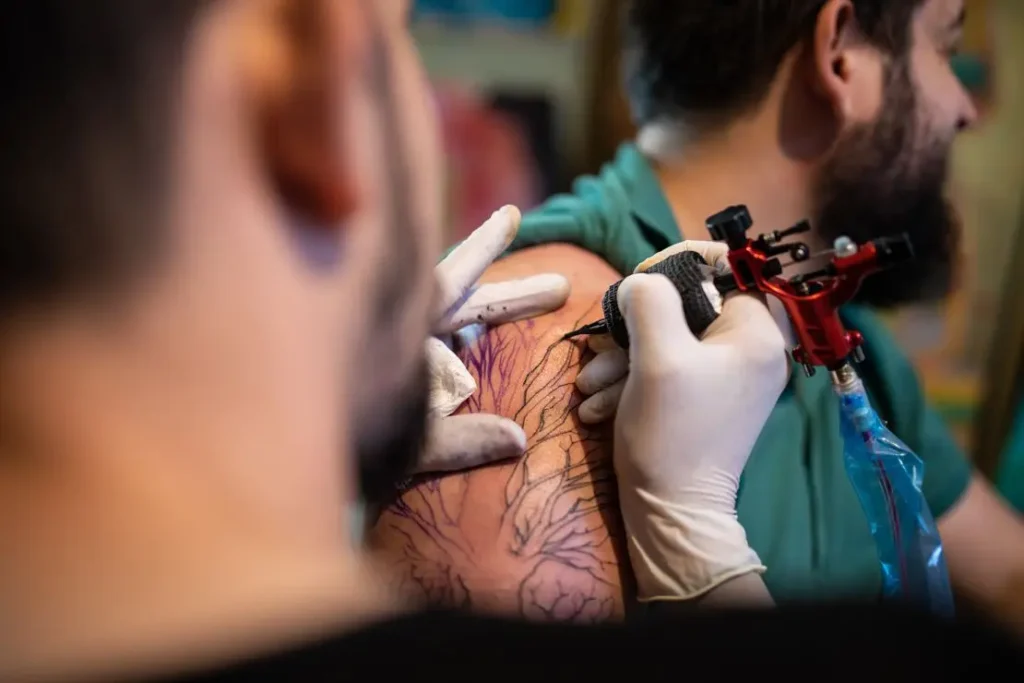
During tattooing, pigments are deposited into the dermis, the deeper layer of skin beneath the epidermis. Unlike the outer skin layer, which constantly sheds and renews itself, the dermis remains relatively stable.
Once tattoo pigment enters the dermis, the body immediately recognizes it as a foreign substance.
Immune cells called macrophages attempt to remove the pigment particles. However, most tattoo pigments are too large to be fully eliminated. As a result, a portion of the pigment remains trapped within skin cells and connective tissue, creating the visible tattoo.
This balance between pigment retention and immune activity explains why tattoos can remain visible for decades while still gradually changing over time.
Why Tattoo Color Changes Over Time
Several biological and environmental mechanisms contribute to tattoo fading and color shifts.
1. Natural Immune System Activity
The body’s immune system never completely stops interacting with tattoo pigments.
Over time:
- Macrophages continue processing pigment particles
- Tiny pigment fragments may be transported away
- Pigment density gradually decreases
This process occurs slowly over years rather than months.
Even perfectly executed tattoos experience some degree of immune-related fading.
2. UV Radiation and Sun Exposure
Sunlight remains one of the most significant causes of tattoo color degradation.
Ultraviolet radiation can:
- Break down pigment molecules
- Alter pigment chemistry
- Accelerate color fading
- Reduce contrast and sharpness
Black tattoos generally retain visibility better than lighter colors because carbon-based pigments are relatively stable.
However, all tattoo colors are vulnerable to long-term UV exposure.
Colors Most Affected by UV Damage
Commonly affected colors include:
- Yellow
- Pink
- Orange
- Light green
- Pastel shades
These pigments often fade faster than darker tones.
3. Skin Regeneration and Aging
Human skin continuously changes throughout life.
As aging progresses:
- Collagen production declines
- Skin elasticity decreases
- Dermal structure changes
- Surface texture becomes less uniform
These changes can affect how tattoo pigments are perceived visually.
Even if pigment remains present, aging skin may make tattoos appear:
- Softer
- Less vibrant
- Slightly blurred
This explains why older tattoos often lose some sharpness despite retaining much of their original pigment.
4. Pigment Particle Breakdown
Modern tattoo inks contain highly engineered pigments designed for durability.
However, pigment particles can still degrade over time.
Factors contributing to pigment breakdown include:
- Oxidation
- UV exposure
- Chemical reactions
- Mechanical stress within tissues
When larger pigment particles break into smaller fragments, the body’s immune system may remove them more easily.
This process contributes to gradual fading.
5. Tattoo Placement Matters
Certain body areas retain color better than others.
Best Areas for Long-Term Color Retention
- Upper arm
- Shoulder
- Upper back
- Chest
- Outer thigh
These areas experience:
- Less friction
- Reduced UV exposure
- Lower skin turnover
Areas Prone to Faster Fading
- Fingers
- Hands
- Feet
- Ankles
- Palms
These regions experience constant movement, friction, and skin regeneration.
As a result, tattoos often fade more rapidly.
Why Different Tattoo Colors Age Differently
Not all pigments behave the same way.
Color longevity depends heavily on pigment composition.
Black Ink
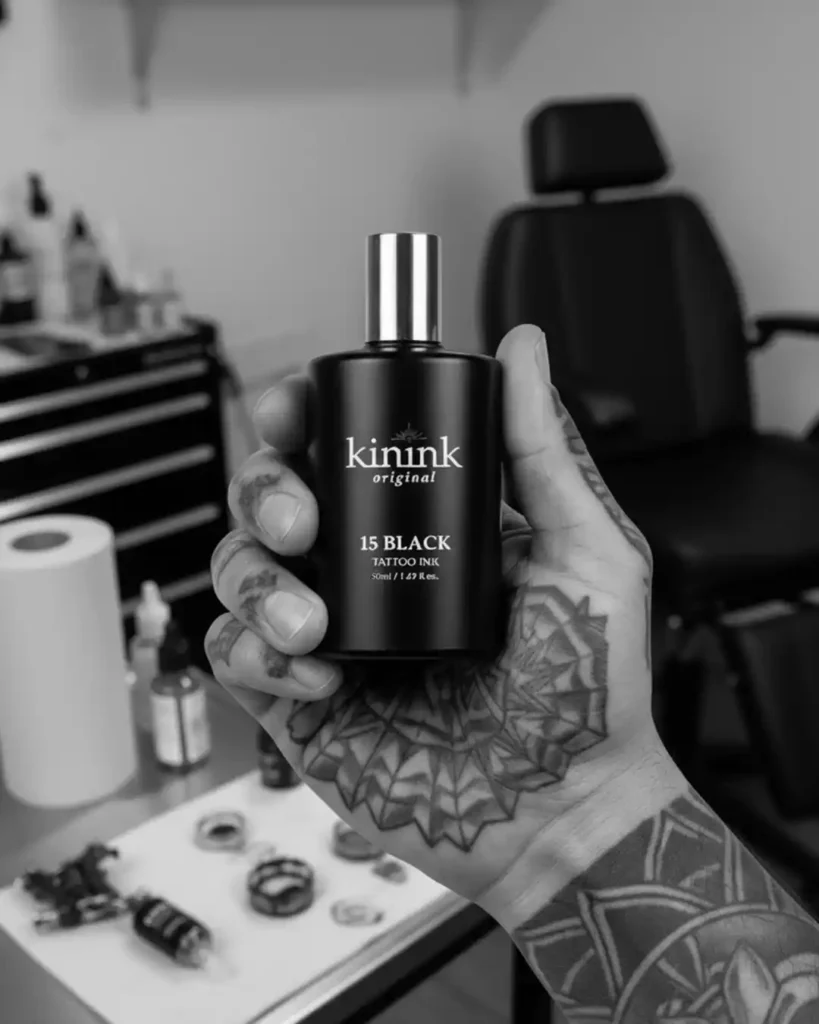
Black pigments generally demonstrate the best long-term stability.
Advantages include:
- High UV resistance
- Strong contrast
- Excellent visibility over time
This is one reason black-and-grey tattoos often age exceptionally well.
Red Ink
Red pigments typically retain color reasonably well.
However, certain red formulations may:
- Fade unevenly
- Trigger allergic reactions in susceptible individuals
Modern pigment technology has improved red ink stability significantly.
Blue and Green Inks
Blue and green pigments often maintain color effectively.
Nevertheless, long-term UV exposure may gradually alter shade intensity.
Yellow, White, and Pastel Colors
These pigments typically show the shortest lifespan.
Reasons include:
- Lower visibility
- Greater UV sensitivity
- Reduced contrast against skin tones
Many artists explain to clients that these colors may require periodic touch-ups.
The Role of Tattoo Ink Quality
Tattoo longevity begins with pigment quality.
High-quality tattoo inks typically feature:
- Stable pigment formulations
- Consistent particle size
- Rigorous manufacturing standards
- Improved color retention properties
Professional manufacturers invest heavily in research, testing, and quality control.
Inferior pigments may:
- Fade prematurely
- Shift color unexpectedly
- Produce inconsistent healing outcomes
For this reason, reputable artists carefully evaluate their pigment suppliers.
How Professional Tattoo Techniques Affect Color Retention
Tattoo color retention depends not only on ink quality but also on application technique.
Experienced tattoo artists understand:
- Needle depth control
- Pigment saturation
- Skin anatomy
- Color layering principles
If pigment is placed too shallowly:
- Healing may remove significant amounts of ink
If placed too deeply:
- Pigment migration can occur
Proper dermal placement maximizes long-term stability.
The Importance of Tattoo Aftercare
The healing period significantly influences long-term tattoo appearance.
The first few weeks determine how much pigment remains successfully embedded.
Recommended Aftercare Practices
Keep the Tattoo Clean
Follow professional hygiene recommendations during healing.
Moisturize Appropriately
Proper hydration supports skin recovery.
Avoid Excessive Sun Exposure
Fresh tattoos are particularly vulnerable to UV damage.
Prevent Excessive Friction
Protect healing tattoos from rubbing and irritation.
Poor aftercare can contribute to:
- Pigment loss
- Uneven healing
- Reduced color saturation
Long-Term Strategies for Maintaining Tattoo Color
After healing, long-term maintenance becomes essential.
Daily Sunscreen Use
Broad-spectrum sunscreen remains the most effective strategy for preserving tattoo vibrancy.
Many dermatologists recommend SPF 30 or higher.
Healthy Skin Maintenance
Tattoo appearance is directly influenced by skin quality.
Maintaining healthy skin through:
- Hydration
- Proper nutrition
- Moisturization
- Sun protection
can improve tattoo longevity.
Avoid Excessive Tanning
Repeated tanning accelerates pigment degradation and skin aging.
This applies to both natural sunlight and artificial tanning devices.
Periodic Touch-Ups
Even well-maintained tattoos may benefit from occasional touch-ups.
Touch-ups can:
- Restore contrast
- Refresh faded colors
- Improve definition
Many professional artists recommend evaluation every several years depending on tattoo style and placement.
Emerging Tattoo Pigment Technologies in 2026
Tattoo ink technology continues to evolve.
Current innovations include:
- Enhanced pigment stability
- Improved UV resistance
- More consistent particle engineering
- Advanced color retention formulations
Manufacturers are increasingly focused on producing pigments that balance safety, vibrancy, and longevity.
Research in pigment science continues to improve long-term tattoo performance while meeting evolving international safety standards.
FAQs
Why does tattoo color change over time?
Tattoo color changes over time because pigment particles are gradually affected by the body’s immune system, UV radiation, skin aging, and natural pigment breakdown. These factors contribute to tattoo color fading and reduced tattoo color retention over the years.
How can I improve tattoo color retention?
Improving tattoo color retention involves protecting tattoos from UV exposure, following proper aftercare instructions, maintaining healthy skin, and choosing high-quality tattoo inks. These steps help maintain tattoo color and slow fading.
Which tattoo colors fade the fastest?
Yellow, white, pastel, and lighter-colored pigments generally experience tattoo color fading faster than darker pigments. Black ink typically offers the strongest tattoo color retention and longest-lasting appearance.
Does sunscreen help in maintaining tattoo color?
Yes. Sunscreen is one of the most effective tools for maintaining tattoo color. Regular use reduces UV damage, helps preserve pigment stability, and supports long-term tattoo color retention.
Can faded tattoos regain their original color?
While natural tattoo color fading cannot be fully reversed, professional touch-ups can restore vibrancy, improve tattoo color retention, and refresh areas affected by pigment loss over time.

