
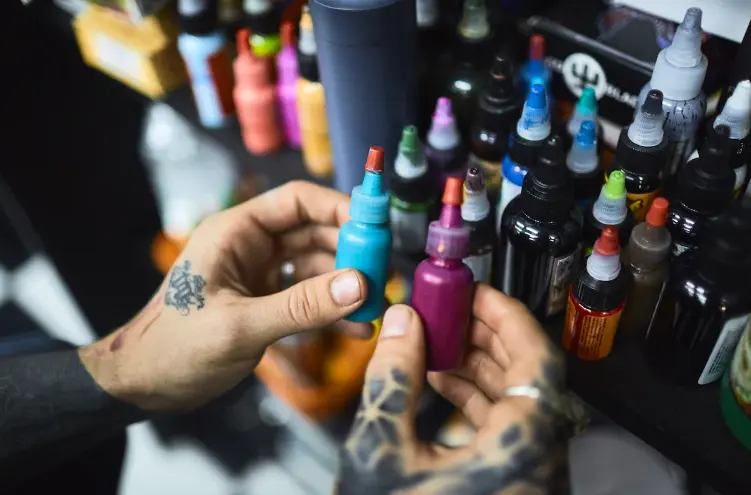

The future of tattoo ink manufacturing in 2026 focuses on safer pigments, sterile production systems, AI-powered quality control, and sustainable innovation. Global manufacturers are improving tattoo ink safety standards, developing advanced pigment technology, and meeting stricter international regulations to deliver safer, cleaner, and longer-lasting tattoo solutions.
KinInk.co.kr
Tattoo ink manufacturing is undergoing a major transformation in 2026. Driven by stricter international regulations, rising consumer awareness, technological innovation, and the global expansion of the tattoo industry, manufacturers are shifting toward safer formulations, transparent ingredient sourcing, sterile production systems, and advanced pigment technologies.
Modern tattoo ink production is no longer focused only on color intensity or longevity. Today’s leading manufacturers prioritize biocompatibility, toxicology testing, sterilization, traceability, vegan formulations, and regulatory compliance across multiple markets including the United States, Europe, South Korea, and Southeast Asia. At the same time, innovation in nanotechnology, organic pigments, AI-assisted quality control, and eco-friendly manufacturing is reshaping the future of the industry.
This article explores the future of tattoo ink manufacturing in 2026, including safety standards, emerging technologies, regulatory trends, sustainability initiatives, and the evolving demands of artists and consumers worldwide.
Table of Contents
What Is Tattoo Ink Manufacturing?
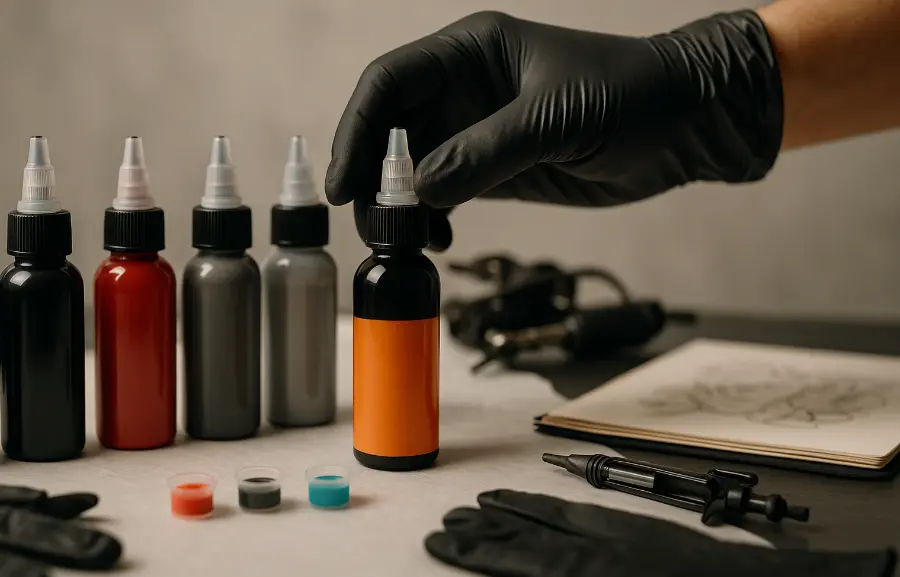
Tattoo ink manufacturing is the industrial process of developing, testing, sterilizing, packaging, and distributing tattoo pigments and carrier solutions used for permanent body art.
Modern tattoo inks typically contain:
- Pigments (organic or inorganic colorants)
- Carrier solutions (water, glycerin, ethanol, witch hazel)
- Stabilizers and preservatives
- Sterile processing components
Unlike cosmetic makeup products, tattoo pigments are implanted into the dermis layer of the skin, making safety standards significantly more important. Because pigments remain in the body long-term, manufacturers must carefully evaluate toxicity, contamination risks, and chemical stability.
Why Tattoo Ink Safety Became a Global Priority
Increased Regulatory Oversight
Over the last decade, health authorities worldwide have increased scrutiny of tattoo inks due to concerns involving:
- Heavy metal contamination
- Carcinogenic aromatic amines
- Microbial contamination
- Allergic reactions
- Long-term pigment degradation
The European Union’s REACH regulations dramatically changed the industry by restricting thousands of chemical substances commonly found in tattoo inks. Similar regulatory discussions are expanding globally in 2026.
Major markets now demand:
- Ingredient transparency
- Batch traceability
- Sterility validation
- Toxicological risk assessment
- Documentation of pigment sourcing
This has pushed manufacturers to modernize facilities and adopt pharmaceutical-grade production standards.
The Evolution of Tattoo Ink Formulations in 2026
1. Safer Organic Pigments
Traditional tattoo pigments sometimes contained industrial-grade compounds not originally designed for implantation into human skin.
In 2026, manufacturers increasingly use purified organic pigments specifically engineered for tattoo applications.
Benefits include:
- Lower toxicity risks
- Improved color stability
- Reduced allergic response potential
- Better compliance with international regulations
Advanced red, yellow, and fluorescent alternatives are particularly important because these colors historically faced the highest regulatory restrictions.
2. Vegan and Cruelty-Free Ink Production
Consumer demand for ethical products continues to reshape the tattoo industry.
Modern premium tattoo inks increasingly avoid:
- Animal-derived glycerin
- Bone char
- Shellac
- Animal testing
Vegan-certified tattoo inks are now widely preferred by younger consumers and professional tattoo studios focused on ethical branding.
Manufacturers that provide full transparency regarding sourcing and testing often gain stronger trust among artists and distributors.
3. Sterile Manufacturing Systems
Cross-contamination prevention is now a defining factor in high-end tattoo ink production.
Leading manufacturers operate:
- ISO-certified cleanrooms
- Sterile filtration systems
- Automated filling lines
- UV sterilization environments
- Microbial contamination testing protocols
Some advanced facilities now resemble pharmaceutical manufacturing laboratories rather than traditional pigment factories.
Emerging Technologies Transforming Tattoo Ink Manufacturing
AI-Powered Quality Control
Artificial intelligence is increasingly used in manufacturing environments to monitor:
- Pigment consistency
- Particle size distribution
- Sterility conditions
- Batch anomalies
- Production deviations
Machine learning systems can detect microscopic inconsistencies earlier than manual inspection methods.
Benefits include:
- Improved consistency between batches
- Reduced waste
- Faster contamination detection
- Better regulatory compliance documentation
Nanotechnology in Tattoo Pigments
Nanoparticle engineering is one of the most discussed innovations in tattoo ink development.
Researchers are exploring ultra-refined pigments that may provide:
- More stable coloration
- Better skin retention
- Reduced migration
- Enhanced laser removal compatibility
However, nanotechnology also introduces new toxicological questions. Regulatory agencies continue evaluating the long-term biological impact of nanoparticles in tattoo applications.
For this reason, responsible manufacturers are investing heavily in safety testing before commercial release.
Smart Tattoo Ink Research
Experimental “smart inks” remain in early development but represent a growing research area.
Potential future applications include:
- UV-reactive pigments
- Medical monitoring tattoos
- Biosensor-integrated inks
- Temperature-sensitive pigments
- Color-changing health indicators
Although most remain experimental in 2026, medical and wearable technology sectors are closely monitoring these developments.
Sustainability and Eco-Friendly Manufacturing
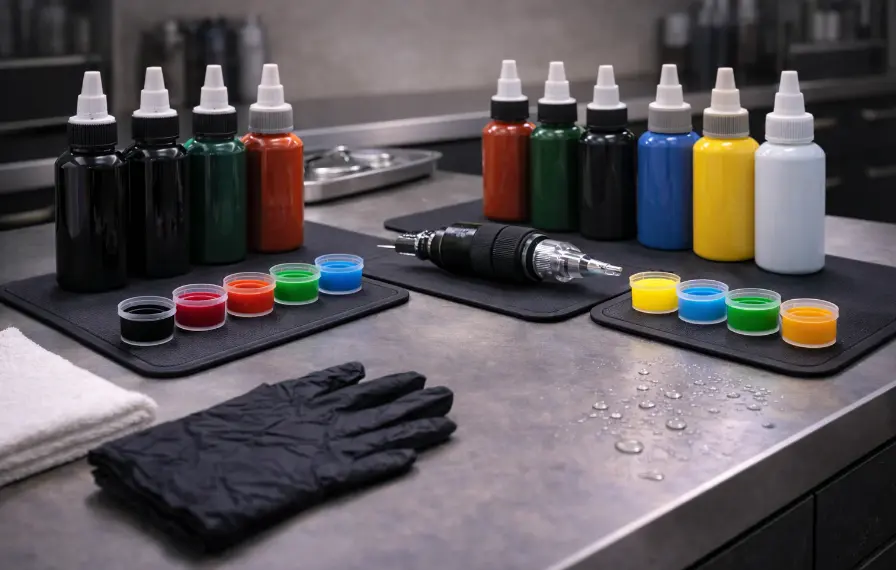
Environmental sustainability has become a major competitive factor in the tattoo industry.
Eco-Conscious Packaging
Manufacturers increasingly use:
- Recyclable bottles
- Biodegradable packaging
- Reduced plastic waste
- Sustainable labeling materials
Studios and consumers are showing stronger preference for environmentally responsible brands.
Cleaner Chemical Processing
Traditional pigment manufacturing could involve harsh solvents and environmentally hazardous compounds.
Modern facilities increasingly adopt:
- Water-based processing
- Reduced volatile organic compounds (VOCs)
- Safer waste disposal systems
- Renewable energy integration
These changes improve both worker safety and environmental performance.
Global Tattoo Ink Manufacturing Trends in 2026
North America
The United States remains one of the world’s largest tattoo markets.
Key trends include:
- FDA pressure for improved documentation
- Growing demand for premium inks
- Expansion of cosmetic tattoo applications
- Increased focus on sterilization standards
Medical aesthetics and scalp micropigmentation sectors are also driving specialized pigment innovation.
Europe
Europe currently leads global tattoo ink regulation.
REACH compliance has forced many manufacturers to reformulate entire product lines.
As a result:
- Safer pigment alternatives are accelerating
- Scientific testing standards are increasing
- Smaller manufacturers face higher compliance costs
Companies able to meet EU standards often gain stronger international credibility.
South Korea
South Korea continues emerging as an advanced aesthetics and beauty technology hub.
Korean manufacturers are increasingly integrating:
- Cosmetic pigment expertise
- Medical-grade sterilization
- Skin-compatible formulations
- Precision manufacturing technologies
The popularity of Korean beauty trends also influences tattoo pigment color preferences and semi-permanent cosmetic procedures globally.
Southeast Asia
Tattoo culture continues expanding rapidly across Thailand, Vietnam, Indonesia, and the Philippines.
Growth drivers include:
- Tourism
- Rising youth culture adoption
- Social media influence
- International tattoo conventions
Manufacturers targeting Southeast Asia increasingly prioritize affordable premium-quality inks with multilingual regulatory labeling.
Challenges Facing Tattoo Ink Manufacturers
Regulatory Complexity
One of the industry’s largest challenges is navigating different international regulations.
Manufacturers often face:
- Different banned substance lists
- Labeling variations
- Import restrictions
- Safety testing requirements
- Certification demands
Global compliance significantly increases production costs but also improves overall industry standards.
Counterfeit Tattoo Inks
Counterfeit products remain a serious issue.
Fake tattoo inks may contain:
- Unsafe industrial pigments
- Bacterial contamination
- Unregulated heavy metals
- Poor sterilization practices
Professional artists increasingly prefer authorized distributors and verified supply chains to reduce health risks.
How Professional Tattoo Artists Choose Safe Inks in 2026
Experienced tattoo artists increasingly evaluate inks based on:
Safety Documentation
Professionals often request:
- Safety Data Sheets (SDS)
- Sterility certificates
- REACH compliance documentation
- Ingredient transparency reports
Color Stability
Artists seek inks with:
- Minimal fading
- Predictable healing
- Consistent saturation
- UV stability
Skin Compatibility
High-quality inks are designed to reduce:
- Inflammation
- Allergic reactions
- Excessive migration
- Healing complications
Real-world studio experience shows that premium sterile formulations often heal more consistently and reduce touch-up frequency.
The Role of Medical Research in Tattoo Ink Development
Scientific research increasingly shapes product development.
Research areas include:
- Immunological response to pigments
- Long-term dermal stability
- Laser removal interactions
- Carcinogenic risk analysis
- Nanoparticle migration studies
Collaborations between dermatologists, chemists, toxicologists, and manufacturers are becoming more common in 2026.
This multidisciplinary approach improves both product innovation and consumer safety.
The Future Outlook for Tattoo Ink Manufacturing
The future of tattoo ink manufacturing will likely center around five core pillars:
1. Safer Chemistry
Manufacturers will continue replacing high-risk compounds with biocompatible alternatives.
2. Transparency
Consumers increasingly expect complete ingredient disclosure and ethical sourcing.
3. Advanced Manufacturing
Automation, AI monitoring, and sterile cleanroom systems will become industry standards.
4. Sustainability
Eco-friendly production methods and recyclable packaging will continue expanding.
5. Medical Integration
Tattoo technologies may increasingly overlap with wearable health technologies and cosmetic dermatology.
FAQs
Are tattoo inks regulated in 2026?
Yes. Many countries now impose stricter regulations on tattoo pigments, sterility, labeling, and chemical safety. Europe’s REACH regulations remain one of the most influential global standards.
What makes modern tattoo inks safer?
Safer tattoo inks typically use purified pigments, sterile manufacturing processes, toxicology testing, and transparent ingredient documentation.
Are vegan tattoo inks better?
Vegan tattoo inks avoid animal-derived ingredients and animal testing. While not automatically safer, many premium vegan brands also prioritize cleaner formulations and ethical manufacturing.
Can tattoo inks still contain heavy metals?
Some pigments may naturally contain trace metals, but regulated manufacturers must keep levels within strict safety limits and comply with international standards.
What is the biggest trend in tattoo ink manufacturing?
The biggest trends include safer formulations, AI-driven quality control, sustainable production, sterile manufacturing systems, and advanced pigment technology.
Conclusion
The tattoo ink manufacturing industry in 2026 is evolving rapidly toward higher safety standards, smarter production systems, cleaner chemistry, and greater global accountability.
As tattoo culture becomes increasingly mainstream worldwide, consumers and artists are demanding more than vibrant colors alone. They now expect transparency, scientific validation, sterile manufacturing, ethical sourcing, and regulatory compliance.
Manufacturers that successfully combine innovation, toxicological safety, environmental responsibility, and advanced quality control are likely to define the next generation of tattoo ink production.
The future of tattoo inks is no longer just artistic — it is scientific, technological, medical, and global.

