


Tattoo ink allergies occur when the immune system reacts to tattoo pigments or contaminants such as metals and chemical compounds. Common symptoms include itching, swelling, redness, and raised skin. Red tattoo ink causes the highest number of allergic reactions, while early diagnosis and professional treatment help prevent long-term skin complications.
KinInk.co.kr
Tattoo ink allergies are one of the most important health concerns in modern tattooing. While most tattoos heal without major complications, some people develop allergic reactions to specific pigments or ingredients found in tattoo ink. These reactions can appear immediately after tattooing or even years later.
In 2026, dermatologists, tattoo artists, and tattoo ink manufacturers are paying closer attention to tattoo-related skin reactions because tattoo popularity continues to grow worldwide. Red pigments remain the most common trigger, but reactions can also occur with black, yellow, blue, and green inks depending on their chemical composition.
Understanding tattoo ink allergies is important for both consumers and professional tattoo artists. Early recognition of symptoms, proper ink selection, and safe tattooing practices can significantly reduce long-term complications.
This article explains:
- What tattoo ink allergies are
- Why they happen
- Which colors carry higher risk
- Common symptoms and warning signs
- How doctors diagnose and treat reactions
- Prevention strategies for tattoo artists and clients
- Emerging safer tattoo ink technologies in 2026
Table of Contents
What Is a Tattoo Ink Allergy?
A tattoo ink allergy is an immune system reaction triggered by substances inside tattoo pigments or carrier ingredients. Unlike normal tattoo healing irritation, allergic reactions usually persist, worsen over time, or repeatedly flare up.
The body may identify certain pigment molecules as foreign or harmful substances. This activates inflammatory immune responses in the skin.
Tattoo allergy reactions may involve:
- Delayed hypersensitivity
- Contact dermatitis
- Photoallergic reactions
- Granulomatous inflammation
- Chronic immune activation
Unlike temporary redness from fresh tattooing, true allergic reactions often remain localized to specific ink colors or tattoo areas.
Why Tattoo Ink Allergies Happen
Tattoo pigments are permanently implanted into the dermis layer of the skin. Some pigment compounds can interact with the immune system over time.
Several factors increase allergy risk.
1. Pigment Chemistry
Certain pigments are more reactive than others.
Common problematic compounds include:
- Azo pigments
- Metallic salts
- Chromium compounds
- Nickel contaminants
- Mercury-based compounds in older inks
- Cobalt-based pigments
When these substances break down through sunlight exposure or metabolic processes, they may trigger immune reactions.
2. Heavy Metal Contamination
Even when heavy metals are not intentionally added, contamination may occur during pigment manufacturing.
Trace contaminants may include:
- Nickel
- Chromium
- Lead
- Cadmium
- Cobalt
Sensitive individuals can react to extremely small amounts of these substances.
3. Sunlight and UV Exposure
Some tattoo pigments become chemically unstable after UV exposure.
This is especially important for:
- Yellow ink
- Red ink
- Fluorescent pigments
Sunlight may alter pigment molecules and create inflammatory byproducts that trigger delayed allergic reactions.
4. Individual Immune Sensitivity
Some people naturally have stronger allergic tendencies due to:
- Eczema history
- Autoimmune disorders
- Metal allergies
- Sensitive skin conditions
A person with nickel allergy, for example, may have increased risk of reacting to contaminated pigments.
Which Tattoo Ink Colors Cause the Most Allergic Reactions?
Not all tattoo colors carry the same risk profile.
Red Tattoo Ink
Red pigment remains the most commonly reported tattoo allergy trigger worldwide.
Symptoms often include:
- Raised skin
- Persistent itching
- Swelling
- Burning sensations
- Scaly plaques
Historically, red pigments sometimes contained mercury sulfide compounds, although modern formulations increasingly use organic pigments.
Even newer red inks can still trigger immune responses.
Yellow Tattoo Ink
Yellow pigments may cause:
- Sunlight-triggered reactions
- Chronic irritation
- Photoallergic dermatitis
Cadmium contamination was historically associated with some yellow inks.
Green and Blue Inks
Green and blue pigments may contain:
- Chromium
- Copper compounds
- Cobalt contaminants
These ingredients occasionally trigger chronic skin inflammation.
Black Tattoo Ink
Black ink is generally considered lower risk, especially carbon-based formulations. However, some black inks may contain:
- Polycyclic aromatic hydrocarbons (PAHs)
- Industrial carbon impurities
- Nanoparticle contaminants
Poor-quality black pigments may increase inflammatory risk.
Common Symptoms of Tattoo Ink Allergies
Tattoo allergy symptoms vary from mild irritation to chronic inflammatory skin disease.
Early Symptoms
Early signs may include:
- Persistent redness
- Severe itching
- Swelling beyond normal healing
- Burning sensations
- Raised skin texture
These symptoms often continue longer than standard tattoo healing.
Delayed Reactions
One unusual feature of tattoo allergies is delayed onset.
Some reactions appear:
- Months later
- Several years after tattooing
- After sun exposure
- During immune system changes
Delayed reactions are especially common with red pigments.
Severe or Chronic Symptoms
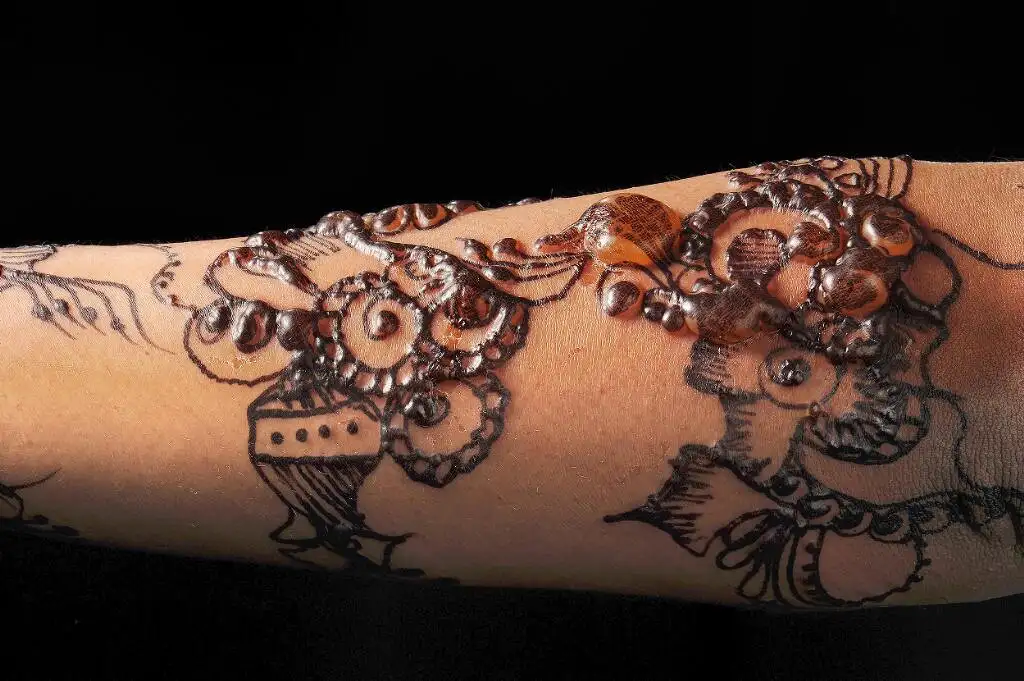
More advanced reactions may include:
- Thickened plaques
- Nodules
- Open sores
- Crusting
- Skin ulceration
- Chronic inflammation
Some patients develop granulomas, which are small inflammatory nodules formed by immune cells surrounding pigment particles.
How Doctors Diagnose Tattoo Ink Allergies
Diagnosis usually involves clinical examination and medical history review.
Dermatologists often evaluate:
- Ink color involved
- Timing of symptoms
- Distribution pattern
- Exposure history
- Previous allergies
Patch Testing
Patch testing may help identify allergies to:
- Metals
- Preservatives
- Pigment ingredients
However, tattoo reactions can be difficult to reproduce through surface skin testing because tattoo pigments are implanted deeper into the dermis.
Skin Biopsy
In chronic or unclear cases, dermatologists may perform a biopsy.
Biopsy findings can identify:
- Granulomatous reactions
- Lichenoid dermatitis
- Foreign-body inflammation
- Sarcoid-like reactions
This helps distinguish tattoo allergies from:
- Skin infections
- Psoriasis
- Keloids
- Autoimmune disorders
Treatment Options for Tattoo Ink Allergies
Treatment depends on severity and the type of reaction involved.
Topical Corticosteroids
Mild inflammatory reactions often improve with prescription steroid creams.
These help reduce:
- Itching
- Swelling
- Redness
- Immune activity
However, symptoms may return after treatment stops if pigment remains reactive.
Oral Medications
Moderate cases may require:
- Oral antihistamines
- Oral corticosteroids
- Anti-inflammatory medications
These treatments help control immune responses during flare-ups.
Laser Tattoo Removal
Laser removal can sometimes improve allergic reactions by reducing pigment load.
However, this approach carries risks.
Laser fragmentation may temporarily worsen reactions because broken pigment particles become more visible to the immune system.
Removal should only be performed under experienced medical supervision when allergies are suspected.
Surgical Excision
For severe localized reactions, surgical removal may occasionally be considered.
This is usually limited to:
- Small tattoos
- Resistant granulomas
- Chronic ulceration
Large excisions may create scarring.
How Tattoo Artists Can Reduce Allergy Risk
Professional tattoo artists play a major role in preventing complications.
Use High-Quality Professional Inks
Artists should choose inks that provide:
- Ingredient transparency
- Sterility testing
- REACH compliance
- Safety documentation
- Batch traceability
Low-cost unverified pigments carry significantly higher contamination risk.
Ask About Allergy History
Pre-tattoo consultations should include questions about:
- Metal allergies
- Skin conditions
- Previous tattoo reactions
- Autoimmune disorders
Clients with known sensitivities may require extra caution.
Avoid Mixing Unknown Pigments
Mixing incompatible pigments from different manufacturers may create unpredictable reactions.
Professional studios increasingly standardize ink systems for consistency and safety.
Educate Clients About Aftercare
Improper healing environments may worsen inflammation.
Clients should avoid:
- Excessive sun exposure
- Scratching
- Harsh skincare products
- Swimming during healing
Proper aftercare reduces secondary complications.
Can Tattoo Ink Allergies Be Prevented Completely?
No tattoo procedure is completely risk-free.
However, risk can be significantly reduced through:
- High-quality pigments
- Sterile procedures
- Proper regulation
- Professional artist training
- Careful client screening
Modern regulatory systems such as EU REACH have improved safety standards by restricting hazardous chemicals in tattoo inks.
New Developments in Safer Tattoo Inks in 2026
The tattoo industry is rapidly evolving toward safer formulations.
REACH-Compliant Pigments
Many manufacturers now reformulate products to reduce:
- Heavy metals
- Carcinogenic impurities
- Toxic aromatic amines
Vegan and Cleaner Ink Systems
Demand continues growing for:
- Vegan tattoo inks
- Organic carrier ingredients
- Preservative-free systems
- Low-allergen formulations
However, “vegan” does not automatically mean hypoallergenic.
Improved Toxicology Testing
Advanced manufacturers increasingly use:
- ICP-MS heavy metal analysis
- Cytotoxicity testing
- Dermatological review
- Stability testing
These systems improve long-term product safety and consistency.
When to See a Doctor
Tattooed individuals should seek medical evaluation if they experience:
- Severe swelling
- Persistent itching
- Oozing lesions
- Painful nodules
- Fever
- Expanding redness
- Delayed reactions months or years later
Early diagnosis helps prevent chronic complications.
Conclusion
Tattoo ink allergies are real medical conditions that can affect both new and older tattoos. Although most tattoos heal safely, certain pigments and contaminants may trigger immune reactions ranging from mild itching to chronic inflammatory skin disease.
Red pigments remain the most common cause of allergic tattoo reactions, but any color may potentially create complications depending on chemical composition and individual sensitivity.
In 2026, safer tattooing increasingly depends on:
- Higher manufacturing standards
- Better pigment transparency
- Regulatory compliance
- Professional artist education
- Early medical recognition
For tattoo artists, understanding ink chemistry and allergy risk is now an essential part of professional practice. For consumers, choosing experienced artists and high-quality inks remains one of the most effective ways to reduce long-term complications while enjoying body art safely.

FAQs
What are the most common tattoo ink allergy symptoms?
Common tattoo ink allergy symptoms include itching, redness, swelling, burning sensations, raised skin, and chronic irritation around the tattooed area. Red tattoo ink allergy reactions are especially common and may appear immediately or years after the tattoo procedure.
Why does red tattoo ink cause more allergic reactions?
Red tattoo ink allergy cases are more common because red pigments often contain reactive chemical compounds and metal contaminants that trigger immune responses. Some red tattoo pigments may become more inflammatory after sun exposure or skin healing changes.
How are tattoo ink allergies treated safely?
Tattoo allergic reaction treatment usually includes topical corticosteroids, antihistamines, anti-inflammatory medications, and dermatologist evaluation. Severe tattoo ink allergies may require laser removal or surgical treatment under professional medical supervision.
Can tattoo ink allergies develop years later?
Yes. Tattoo ink allergies can appear months or even years after getting tattooed. Delayed immune reactions may occur due to sunlight exposure, pigment breakdown, immune system changes, or long-term skin sensitivity to tattoo pigments.
What is the safest tattoo ink for sensitive skin?
Safe tattoo ink for sensitive skin typically includes high-quality professional pigments with low heavy metal contamination, transparent ingredient labeling, and REACH-compliant formulations. Professional tattoo artists often recommend patch testing and avoiding low-quality unknown ink brands.

