
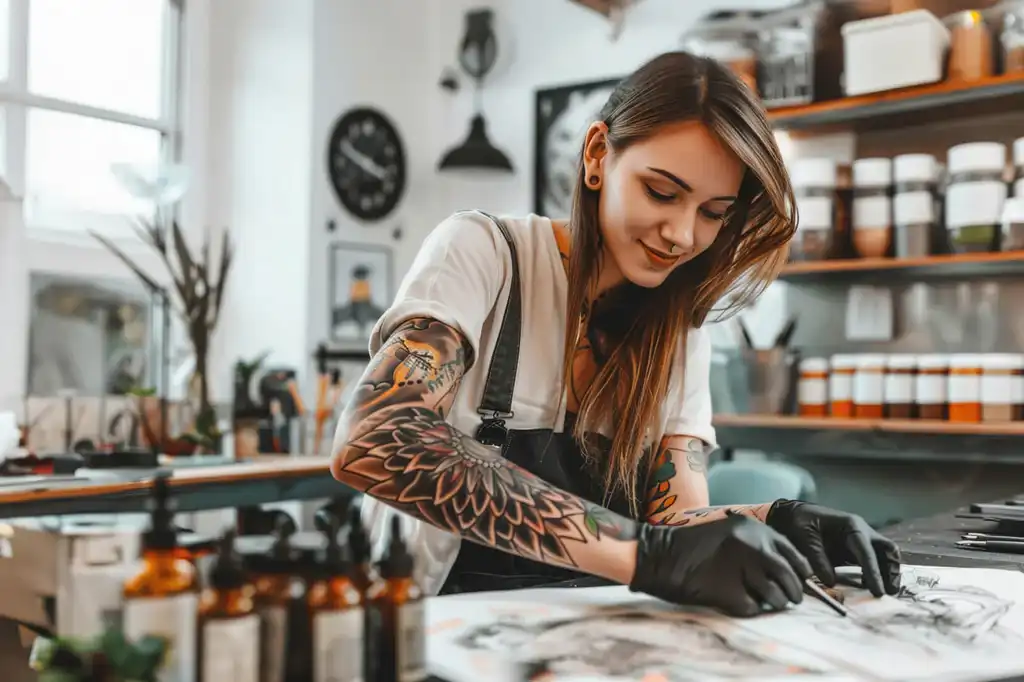

In 2026, global tattoo trends are shaped by precision techniques, cultural fusion, and technology-driven equipment innovation. Across the United States, Europe, and Asia, the industry is moving toward finer detail, skin-conscious application, and long-term aesthetic stability rather than bold, high-saturation work alone.
KinInk.co.kr
The most dominant global directions include:
- Fine line and micro-detail tattoos replacing heavy outlines
- Hybrid cultural styles blending traditional and modern aesthetics
- Advanced machine and needle technology enabling precision work
- Skin health awareness influencing ink selection and application depth
- Shorter session, faster healing techniques preferred by clients
From a professional tattoo artist’s perspective, these trends are not just stylistic—they reflect technical evolution in needle configurations, pigment quality, and dermal response understanding.
Table of Contents
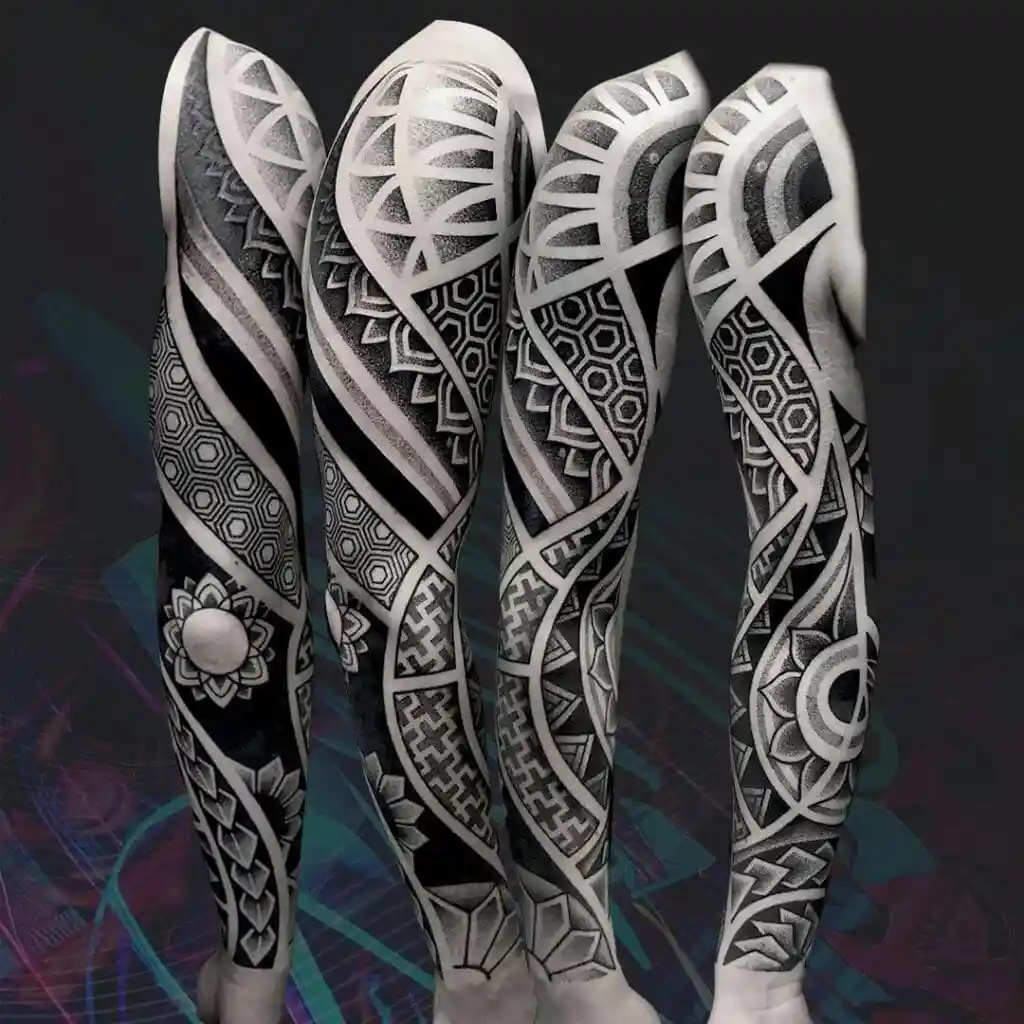
2026 Global Tattoo Trends
1. Fine Line Precision
Fine line tattoos continue to dominate globally due to lower trauma to the skin and faster healing cycles. Artists are using single-needle or tight 3RL groupings to achieve ultra-thin lines.
2. Micro Realism
Highly detailed, small-scale realism tattoos are growing due to improved machine stability and ink dispersion control. This style requires precise voltage control and needle depth consistency.
3. Cyber Sigilism & Futuristic Designs
Driven by Gen Z aesthetics, this style blends digital motifs, abstract symmetry, and biomechanical influences.
4. Color Blackout Evolution
Modern blackout tattoos now integrate negative space and layered pigments, moving beyond pure solid black fills.
5. Korean Minimalism (K-Style)
Globally influential, this style emphasizes soft shading, subtle tones, and emotional storytelling through minimal visuals.
Tattoo Styles by Region: US vs Europe vs Asia
United States: Bold Identity & Technical Versatility
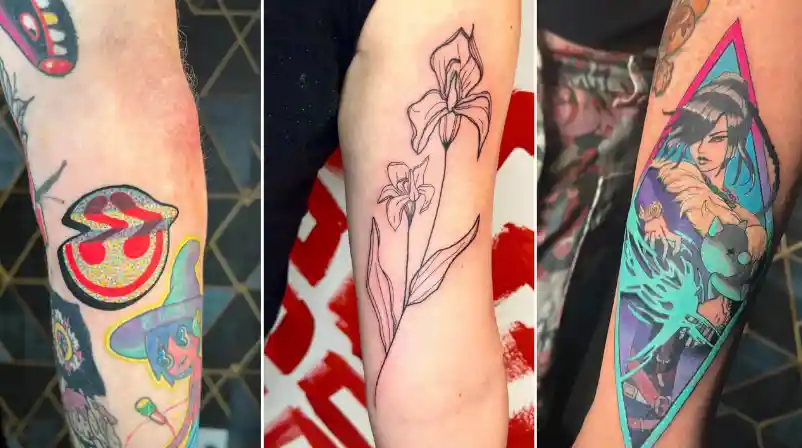
Core Characteristics
- Strong outlines and high contrast
- Saturated colors with long-term durability
- Large-scale compositions (sleeves, back pieces)
Popular Styles
- American Traditional
- Neo-Traditional
- Black & Grey Realism
Technical Insight (Artist Perspective)
US artists prioritize ink saturation and longevity, often working deeper into the dermis. Machines are typically tuned for consistent power output, enabling solid color packing.
Client Behavior
- Preference for statement tattoos
- Higher tolerance for longer sessions
- Focus on longevity over subtlety
Europe: Artistic Expression & Experimental Techniques
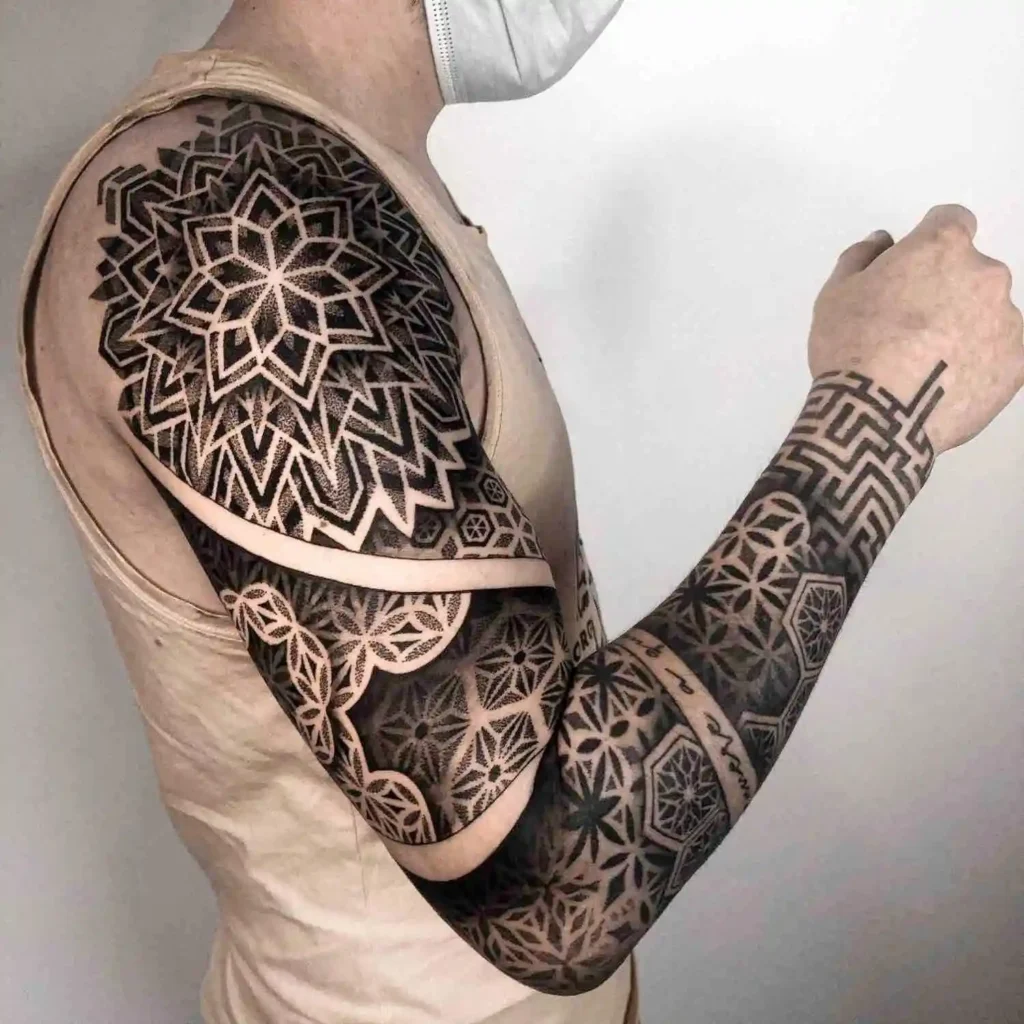
Core Characteristics
- Artistic and conceptual designs
- Strong influence from fine art and architecture
- Balanced use of negative space
Popular Styles
- Blackwork
- Geometric
- Dotwork
- Abstract
Technical Insight
European artists often use layered shading and controlled whip techniques, minimizing trauma while achieving depth.
Client Behavior
- Value uniqueness and artistic meaning
- Open to experimental placements and designs
Asia: Precision, Minimalism & Skin-Conscious Techniques
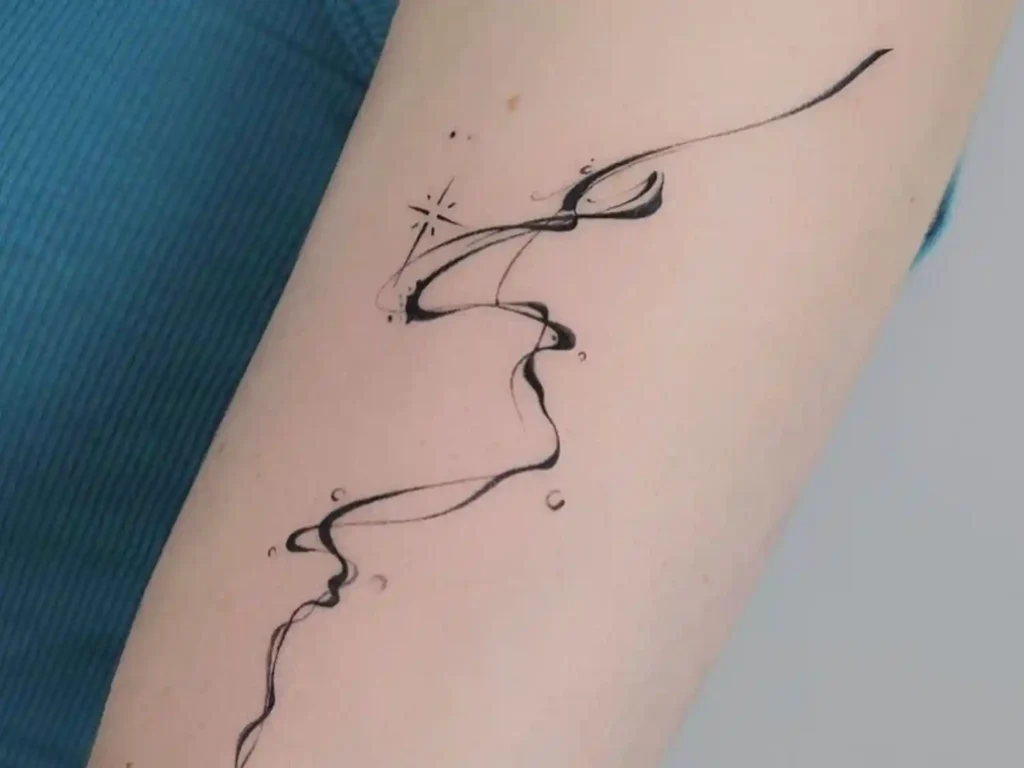
Core Characteristics
- Extremely fine lines and subtle gradients
- Skin-first approach (less invasive technique)
- Smaller, elegant compositions
Popular Styles
- Korean minimal tattoo
- Fine line
- Micro realism
- Modern Japanese (Irezumi reinterpretation)
Technical Insight
Asian artists emphasize:
- Shallow needle depth
- Low voltage machines
- Highly refined ink flow control
This reduces skin damage and improves healing outcomes.
Client Behavior
- Preference for discreet, aesthetic tattoos
- High demand for quick healing and minimal downtime
Equipment Trends Driving Global Styles
Across all regions, equipment innovation is directly influencing tattoo styles.
Key Developments in 2026
- Wireless rotary machines for stable voltage delivery
- Cartridge needle systems improving hygiene and consistency
- Low-trauma needles designed for fine line work
- Vegan, skin-safe inks compliant with EU REACH regulations
Professional Insight
Artists who adapt to machine tuning based on style (lining vs shading vs packing) achieve better results than those using a single setup.
Risks & Considerations Across Styles
Understanding risks is critical for both artists and clients.
Common Risks
- Ink blowout (especially in fine line work)
- Fading due to shallow application
- Overworking skin in realism tattoos
- Allergic reactions to pigments
Prevention
- Match needle depth to skin thickness
- Adjust voltage based on technique
- Use certified inks with known composition
- Avoid over-layering in a single session
Global Market Outlook (2026–2030)
The tattoo industry is expected to grow steadily due to:
- Increased acceptance in professional environments
- Growth of tattoo tourism (Korea, Thailand, Europe)
- Demand for cosmetic and medical tattooing
- Expansion of premium equipment market
Industry Direction
👉 Shift from “bold permanence” to “refined, skin-conscious artistry”
Practical Example
A client in Seoul requests a fine line floral tattoo.
Professional Process:
- Skin analysis (thickness, hydration, sensitivity)
- Needle selection (1RL or 3RL tight grouping)
- Machine tuning (low voltage for precision)
- Controlled depth to avoid blowout
- Minimal passes to reduce trauma
Outcome:
- Faster healing (5–7 days initial recovery)
- Reduced scarring risk
- High aesthetic precision
Key Takeaways
- 2026 tattoo trends emphasize precision, minimalism, and skin health
- Regional styles reflect cultural preferences and technical approaches
- Equipment innovation is reshaping what is possible in tattooing
- Artists must adapt techniques to style, skin, and client expectations
- The future of tattooing is less invasive, more refined, and globally influenced
FAQs
What tattoo style is most popular worldwide in 2026?
Fine line and micro realism are currently the most globally demanded styles.
Which region leads tattoo innovation?
Asia leads in precision techniques, while the US leads in durability and scale, and Europe in artistic experimentation.
Are fine line tattoos less permanent?
They can fade faster if applied too shallow, but with proper technique, longevity is comparable.
What equipment is best for modern tattoo styles?
Wireless rotary machines with adjustable voltage and high-quality cartridge needles.
Is tattooing safer now than before?
Yes, due to improved hygiene systems, regulated inks, and better understanding of skin response.

