
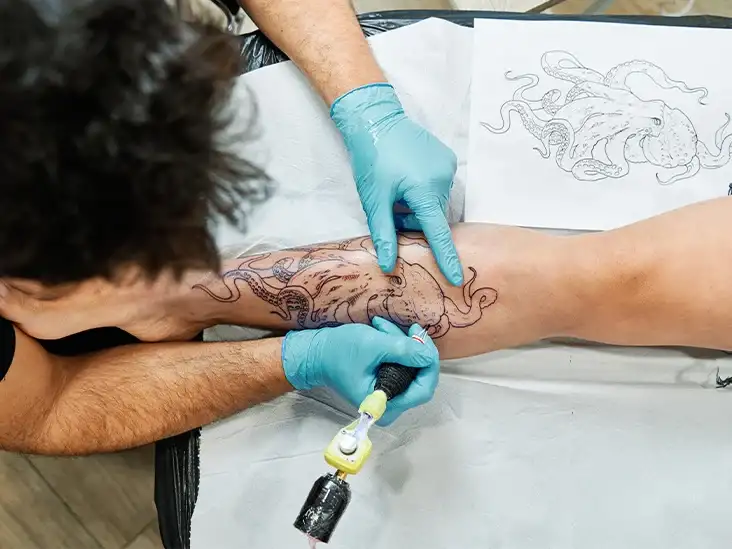

An expert tattoo ink buying checklist helps artists and studios choose safe, sterile, and high-quality tattoo ink by evaluating pigment quality, manufacturing standards, ingredient transparency, laboratory testing, packaging integrity, and regulatory compliance. Following this checklist reduces purchasing risks and supports consistent professional tattoo results.
KinInk.co.kr
Choosing the right tattoo ink is one of the most important decisions for professional tattoo artists, studio owners, distributors, and private-label brands. This expert tattoo ink buying checklist explains how to evaluate tattoo ink quality, safety, sterilization, pigment performance, manufacturing standards, and regulatory compliance. By understanding what distinguishes premium products from lower-quality alternatives, you can make informed purchasing decisions that improve tattoo consistency, client safety, and long-term professional results.
Table of Contents
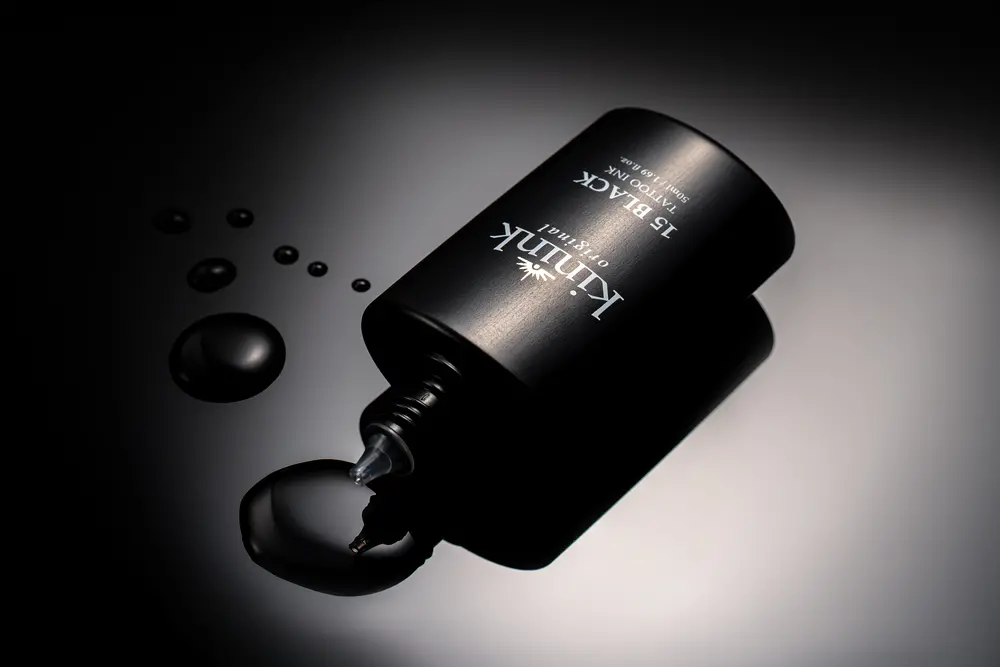
Expert-Recommended Tattoo Ink Buying Checklist
Selecting tattoo ink is one of the most important decisions a tattoo artist, studio owner, distributor, or private-label brand can make. High-quality ink affects not only color performance but also client safety, healing outcomes, regulatory compliance, and long-term reputation.
The short answer: Professional tattoo ink should be sterile, manufactured under strict quality control, use high-purity pigments, provide complete ingredient transparency, comply with applicable regulations, and maintain consistent color performance from batch to batch. Choosing ink based only on price or color selection increases the risk of inconsistent results and avoidable complications.
As the tattoo industry continues to expand globally in 2026, professional artists increasingly expect manufacturers to provide evidence of quality rather than marketing claims. Understanding what separates premium tattoo ink from lower-quality alternatives allows artists and distributors to make informed purchasing decisions.
Quick Buying Checklist
Before purchasing tattoo ink, verify the following:
✅ Sterile manufacturing process
✅ Batch or lot number for traceability
✅ Complete ingredient disclosure
✅ High-purity pigments
✅ Heavy metal testing
✅ Microbiological testing
✅ Manufacturing date and expiration date
✅ Tamper-evident packaging
✅ Consistent color formulation
✅ Compliance with applicable regional regulations
If multiple items cannot be verified, consider evaluating alternative manufacturers.
Why Tattoo Ink Quality Matters
Tattoo ink remains in the dermis for many years. Unlike cosmetics that remain on the skin surface, tattoo pigments become permanently embedded beneath the epidermis.
Poor-quality ink may contribute to:
- Uneven healing
- Color fading
- Pigment instability
- Contamination risks
- Allergic reactions in susceptible individuals
- Inconsistent tattoo appearance
While proper tattooing technique and aftercare significantly influence healing, ink quality remains one of the fundamental variables affecting final outcomes.
1. Choose Sterile Tattoo Ink
Sterility is one of the most important purchasing considerations.
Professional tattoo inks should be manufactured under sterile conditions and undergo validated sterilization processes designed to reduce microbial contamination.
Sterile manufacturing helps minimize contamination from:
- Bacteria
- Mold
- Yeast
- Environmental microorganisms
Although contamination events are uncommon among reputable manufacturers, contaminated tattoo ink has previously been associated with outbreaks investigated by public health authorities, highlighting the importance of quality-controlled manufacturing.
Professional Tip
Always inspect unopened bottles for:
- Broken seals
- Damaged caps
- Leaking containers
- Unusual odor
- Separation inconsistent with manufacturer instructions
2. Review the Ingredient List
A reputable manufacturer should provide clear ingredient information.
Professional tattoo ink typically contains:
| Component | Purpose |
|---|---|
| Pigments | Create permanent color |
| Carrier solution | Suspends pigments |
| Purified water | Base liquid |
| Stabilizers | Improve consistency |
| Preservatives (when appropriate) | Maintain product integrity |
Manufacturers that provide transparent labeling generally demonstrate stronger quality management practices than those offering minimal product information.
3. Verify Pigment Quality
Pigments largely determine color saturation, healing characteristics, and long-term appearance.
High-quality pigments typically provide:
- Better color consistency
- Improved suspension
- Predictable healing
- Reduced sedimentation
- More consistent batch performance
Professional artists often prefer pigments that maintain consistent viscosity throughout extended tattoo sessions.
4. Confirm Heavy Metal Testing
Heavy metals are naturally present in some mineral sources and may also enter manufacturing through impurities.
Responsible manufacturers routinely test for metals such as:
- Lead
- Arsenic
- Cadmium
- Mercury
- Nickel (where applicable)
Testing helps verify that impurity levels remain within applicable regulatory limits.
Requesting laboratory documentation is common practice for distributors and OEM buyers.
5. Look for Microbiological Testing
Microbiological quality testing verifies that tattoo ink remains free from harmful contamination before release.
Testing may include:
- Total aerobic microbial count
- Yeast and mold testing
- Pathogen screening
- Sterility verification
These quality control procedures contribute to product safety and manufacturing consistency.
6. Check Manufacturing Standards
Reliable manufacturers generally operate under documented quality systems.
Important indicators include:
- Controlled production environments
- Documented quality procedures
- Batch traceability
- Equipment validation
- Raw material inspections
- Finished product testing
Manufacturing consistency becomes especially important for studios purchasing the same colors repeatedly.
7. Evaluate Batch Consistency
Professional tattoo artists expect the same color every time they reorder.
Consistent manufacturing helps ensure:
- Predictable healed colors
- Matching touch-up sessions
- Uniform artwork across clients
- Reduced color variation
Large manufacturers typically maintain standardized formulations supported by batch testing.
8. Understand Regional Regulations
Tattoo ink regulations differ worldwide.
Examples include:
European Market
Many products are designed to comply with European chemical safety requirements, including restrictions on certain pigments and ingredients under current regulations.
United States
Manufacturers should follow applicable safety requirements and maintain quality documentation. Regulatory oversight continues to evolve as the industry grows.
Asia-Pacific
Different countries maintain varying requirements regarding labeling, import documentation, and product registration.
Distributors should always verify local regulatory obligations before importing tattoo ink.
9. Examine Packaging Quality
Packaging protects tattoo ink throughout transportation and storage.
Look for:
- Tamper-evident seals
- Durable bottles
- Leak-resistant caps
- Clearly printed labels
- Batch numbers
- Expiration dates
Poor packaging may compromise sterility or create inventory management challenges.
10. Check Shelf Life and Storage Instructions
Tattoo ink should always include storage recommendations.
Common recommendations include:
- Store at room temperature
- Protect from direct sunlight
- Keep container tightly closed
- Avoid freezing
- Do not use expired products
Proper storage helps maintain pigment stability and product performance.
11. Evaluate Manufacturer Transparency
Experienced buyers often assess the manufacturer as carefully as the product itself.
Questions worth asking include:
- Where is the ink manufactured?
- Is quality documentation available?
- Are laboratory reports available upon request?
- Can batches be traced?
- Does technical support exist?
- Are safety data sheets available?
Transparent manufacturers generally demonstrate stronger long-term reliability.
12. Consider Professional Performance
Beyond laboratory testing, tattoo artists evaluate real-world performance.
Professional characteristics include:
- Smooth flow
- Stable viscosity
- Easy implantation
- Minimal splatter
- Consistent saturation
- Reliable healed appearance
Many studios test new inks on practice materials or controlled client cases before incorporating them into routine procedures.
Common Mistakes When Buying Tattoo Ink
Avoid these frequent purchasing mistakes:
Buying Based Only on Price
Lower-cost products may not provide equivalent quality assurance or manufacturing consistency.
Ignoring Batch Information
Products without traceable lot numbers make quality investigations difficult.
Assuming All Black Inks Are Identical
Black tattoo inks vary considerably in pigment composition, viscosity, and intended application.
Purchasing From Unverified Sellers
Counterfeit or improperly stored products may present unnecessary risks.
Failing to Verify Expiration Dates
Expired tattoo ink should never be used.
Example: Professional Studio Purchasing Process
A medium-sized tattoo studio replacing its black lining ink might evaluate several suppliers.
Instead of selecting the least expensive option, the purchasing manager compares:
- Sterility documentation
- Pigment quality
- Laboratory testing
- Color consistency
- Packaging quality
- Artist feedback
- Technical support
- Long-term availability
Although the premium ink costs slightly more, fewer touch-ups, consistent results, and reliable supply may provide better long-term value.
FAQs
What is an expert tattoo ink buying checklist?
An expert tattoo ink buying checklist is a professional guide used to evaluate tattoo ink based on sterility, pigment quality, ingredient transparency, laboratory testing, packaging, and manufacturing standards. Following this professional tattoo ink guide helps artists choose reliable products for consistent, safe tattoo results.
How can I identify safe tattoo ink before buying?
The best safe tattoo ink buying tips include checking for sterile manufacturing, batch numbers, ingredient disclosure, microbiological testing, heavy metal testing, tamper-evident packaging, and compliance with applicable regulations. A complete tattoo ink quality checklist helps reduce risks associated with poor-quality products.
Why is pigment quality important when choosing tattoo ink?
High-quality pigments provide better color saturation, smoother application, predictable healing, and improved long-term color stability. An expert tattoo ink buying checklist recommends selecting tattoo ink manufactured with high-purity pigments and consistent batch formulations to achieve professional results.
What should professional tattoo artists look for in tattoo ink manufacturers?
A professional tattoo ink guide recommends choosing manufacturers that provide quality control documentation, sterile production processes, laboratory testing, batch traceability, ingredient transparency, and reliable customer support. These factors improve confidence in product quality and consistency.
Is expensive tattoo ink always better quality?
Not necessarily. A higher price does not always indicate better performance. Instead, use an expert tattoo ink buying checklist and tattoo ink quality checklist to compare manufacturing standards, safety testing, pigment quality, certifications, and regulatory compliance before making a purchasing decision.
Conclusion
Choosing professional tattoo ink requires more than comparing colors or prices. A well-informed purchasing decision considers sterility, pigment quality, manufacturing controls, laboratory testing, packaging integrity, regulatory compliance, and manufacturer transparency.
As global standards continue to evolve in 2026, studios, distributors, and private-label brands increasingly prioritize evidence-based quality assurance over marketing claims. Using a structured buying checklist helps reduce purchasing risk, supports consistent artistic results, and reinforces professional standards throughout the tattoo industry.
Key Takeaways
- Prioritize sterile, professionally manufactured tattoo ink.
- Verify ingredient transparency and pigment quality.
- Look for documented heavy metal and microbiological testing.
- Check batch numbers, expiration dates, and tamper-evident packaging.
- Evaluate manufacturer transparency, technical support, and traceability.
- Consider long-term performance and consistency rather than price alone.
- Stay informed about regional regulations and compliance requirements when sourcing tattoo ink.
References (for further reading):
- ASTM International – Standards related to tattooing materials and practices.
- U.S. Food & Drug Administration (FDA) – Tattoo inks and permanent makeup safety information.
- European Chemicals Agency (ECHA) – Restrictions on substances in tattoo inks and permanent makeup under REACH.
- World Health Organization (WHO) – General guidance on infection prevention and quality management in healthcare-related manufacturing.

