
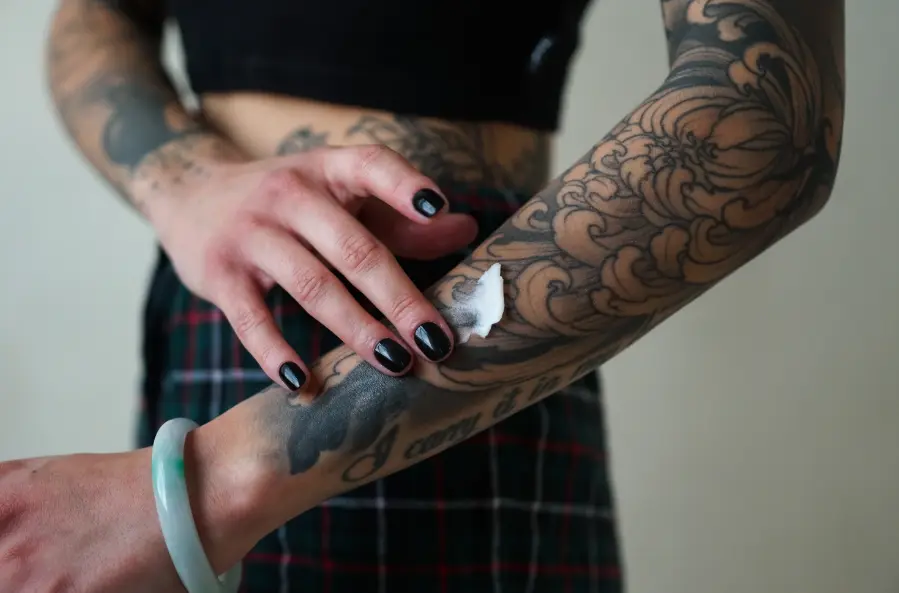

Tattoo color fading occurs because different pigments react differently to UV exposure, immune system activity, skin regeneration, and environmental factors. Dark pigments such as black and dark blue generally offer better tattoo ink longevity, while lighter colors like yellow, pink, and white tend to lose vibrancy more quickly over time.
KinInk.co.kr
Tattoo color fading is one of the most common concerns among tattoo artists and clients seeking long-lasting body art. While all tattoos gradually change over time, certain colors fade faster than others due to differences in pigment composition, UV resistance, tattoo placement, skin type, and aftercare practices. Understanding the science behind tattoo ink longevity can help artists choose better pigments and help clients maintain vibrant tattoos for years.
Some tattoo colors fade faster than others because different pigments react differently to the body’s immune system, ultraviolet (UV) exposure, skin regeneration, and environmental factors. In general, lighter colors such as yellow, pink, light green, and pastel shades tend to fade more quickly than black, dark blue, and deep gray pigments. The longevity of a tattoo color also depends on pigment composition, ink quality, skin type, tattoo placement, aftercare, and sun exposure.
Understanding why certain tattoo colors lose their vibrancy faster can help tattoo artists select appropriate inks and guide clients toward realistic expectations about long-term tattoo appearance.
Table of Contents
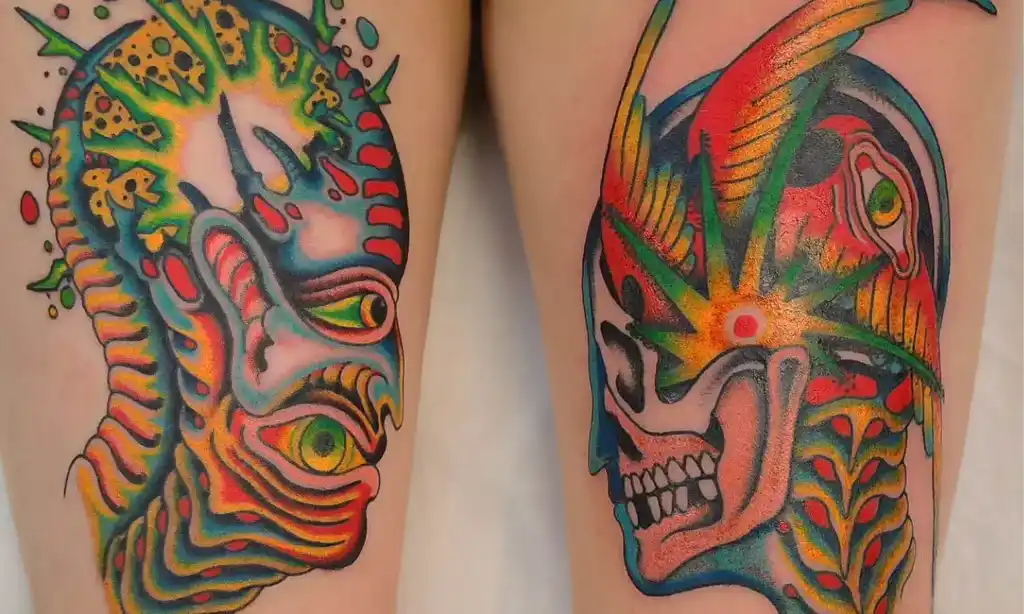
Understanding Tattoo Fading
Tattoo fading is a natural process that occurs over time. Even the highest-quality tattoos experience gradual changes as the skin ages and the body continuously interacts with tattoo pigments.
A tattoo remains visible because pigment particles are deposited into the dermis, the deeper layer of the skin. Unlike the epidermis, which constantly sheds and regenerates, the dermis provides a relatively stable environment for pigment retention.
However, tattoo pigments are not completely permanent. Several biological and environmental mechanisms slowly affect the appearance of the tattoo throughout a person’s lifetime.
How Tattoos Lose Color Over Time
The Role of the Immune System
When tattoo ink is injected into the skin, the body recognizes the pigment particles as foreign material.
Specialized immune cells called macrophages attempt to remove these particles.
Because many pigment particles are too large to be completely eliminated, they remain trapped within the skin. However, some smaller pigment fragments can gradually be transported away through the lymphatic system.
Over years and decades, this ongoing process contributes to tattoo fading.
Why Pigment Size Matters
Larger pigment particles generally remain in the skin longer.
Smaller particles may:
- Break down more easily
- Migrate within the skin
- Be removed more efficiently by immune cells
This is one reason why pigment chemistry plays a major role in color longevity.
Which Tattoo Colors Fade the Fastest?
Fastest-Fading Tattoo Colors
The colors most commonly associated with faster fading include:
- Yellow
- Light Orange
- Pastel Pink
- Light Green
- White
- Light Purple
These pigments often contain lighter compounds that are more susceptible to UV degradation and may provide less visual contrast against the skin.
Why Yellow Fades Quickly
Yellow pigments often have lower opacity and lower visual contrast.
Factors contributing to fading include:
- Increased UV sensitivity
- Reduced visibility on lighter skin tones
- Lower pigment density compared to darker inks
Many artists report that yellow tattoos may require touch-ups sooner than darker colors.
Which Tattoo Colors Last the Longest?
Most Durable Tattoo Colors
Generally, the longest-lasting tattoo colors include:
- Black
- Dark Gray
- Deep Blue
- Dark Brown
- Dark Green
These pigments typically contain compounds that are more resistant to environmental degradation.
Why Black Ink Lasts Longer
Black tattoo ink remains the industry standard for longevity because:
- It provides maximum contrast
- Carbon-based pigments are highly stable
- UV degradation occurs more slowly
- The pigment is easier to see even after minor fading
This is why many tattoo artists recommend black outlines even in colorful designs.
How UV Light Causes Tattoo Colors to Fade
Sun Exposure Is One of the Biggest Causes of Tattoo Fading
Ultraviolet radiation breaks down pigment molecules over time.
As pigments absorb UV energy, chemical changes can occur that alter color intensity and stability.
Colors Most Vulnerable to UV Exposure
Particularly vulnerable colors include:
- Yellow
- Red
- Orange
- Pink
- White
Dark pigments generally show greater resistance but can still fade after years of repeated exposure.
Real-World Example
Consider two identical tattoos created with the same ink.
- Tattoo A is located on the upper thigh and remains covered most of the year.
- Tattoo B is placed on the forearm and receives daily sun exposure.
After several years, Tattoo B will typically show noticeably greater fading and color loss.
How Skin Tone Influences Color Longevity
Different Skin Tones Affect Perceived Tattoo Vibrancy
Tattoo pigments interact visually with natural skin pigmentation.
This does not necessarily mean colors fade faster biologically, but fading may become more noticeable depending on skin tone.
For example:
- White ink may become difficult to distinguish on very light skin.
- Pale yellow may lose visibility on medium or darker skin tones.
- Black and dark blue generally maintain stronger contrast across diverse skin tones.
Modern tattoo artists increasingly consider skin-tone adaptation when selecting color palettes.
The Impact of Tattoo Placement
Location Matters More Than Many People Realize
Certain body areas experience greater friction, movement, and sun exposure.
These factors accelerate fading.
Areas That Fade Faster
Common high-fading locations include:
- Hands
- Fingers
- Feet
- Ankles
- Elbows
- Knees
Areas That Retain Color Better
Better pigment retention is often seen in:
- Upper arms
- Back
- Chest
- Thighs
- Calves
The difference can be significant over time, even when identical inks are used.
How Ink Quality Influences Color Retention
Not All Tattoo Inks Perform Equally
Professional-grade tattoo inks undergo rigorous quality control and pigment consistency testing.
High-quality inks generally provide:
- Stable pigment dispersion
- Consistent color performance
- Improved healing characteristics
- Better long-term retention
Characteristics of Premium Tattoo Inks
Professional tattoo artists often look for:
- Consistent viscosity
- Reliable pigment concentration
- Sterile manufacturing processes
- Batch-to-batch consistency
- Compliance with applicable safety regulations
Poor-quality inks may fade prematurely due to unstable pigment formulations.
Why Red Tattoo Ink Requires Special Consideration

Red pigments occupy a unique position in tattooing.
While modern red inks can provide excellent vibrancy, some red pigments historically demonstrated greater sensitivity to:
- UV exposure
- Oxidative changes
- Individual immune responses
Red pigments are also among the most commonly reported tattoo pigment colors associated with allergic reactions.
This does not mean red tattoos are unsafe, but artists should use high-quality, tested pigment formulations.
The Influence of Tattoo Aftercare
Proper Healing Protects Color Retention
The first few weeks after tattooing play a crucial role in long-term appearance.
Poor aftercare can result in:
- Excessive scabbing
- Pigment loss
- Uneven healing
- Increased fading
Best Practices for Color Preservation
During healing:
- Follow the artist’s aftercare instructions
- Avoid direct sunlight
- Do not pick scabs
- Keep the tattoo moisturized
- Avoid excessive friction
Once healed:
- Use broad-spectrum sunscreen
- Maintain skin hydration
- Minimize unnecessary UV exposure
These simple measures can significantly extend tattoo vibrancy.
Can Tattoo Colors Be Restored?
Touch-Ups Can Revive Faded Tattoos
Over time, many tattoos benefit from professional touch-up sessions.
Touch-ups may:
- Restore lost vibrancy
- Sharpen blurred lines
- Reinforce faded areas
- Improve overall contrast
The need for touch-ups varies based on:
- Ink quality
- Tattoo color
- Placement
- Lifestyle factors
- Sun exposure history
Many artists recommend evaluating colorful tattoos every several years if maintaining maximum vibrancy is a priority.
Future Innovations in Tattoo Pigment Technology
The tattoo ink industry continues to advance.
Current research and product development focus on:
- Improved UV-resistant pigments
- Enhanced color stability
- Better pigment dispersion
- Greater batch consistency
- Safer manufacturing processes
- Expanded skin-tone-friendly color ranges
Manufacturers are increasingly investing in pigment technologies designed to maintain vibrancy while supporting long-term safety and performance.
Comparison Table: Tattoo Color Longevity
| Color | Typical Longevity | UV Resistance | Visibility Over Time |
|---|---|---|---|
| Black | Excellent | High | Excellent |
| Dark Gray | Excellent | High | Excellent |
| Dark Blue | Very Good | High | Very Good |
| Dark Green | Very Good | Moderate-High | Very Good |
| Red | Good | Moderate | Good |
| Purple | Moderate | Moderate | Moderate |
| Orange | Moderate | Lower | Moderate |
| Pink | Moderate-Low | Lower | Fair |
| Yellow | Low | Low | Fair |
| White | Lowest | Low | Poor |
FAQs
Why does tattoo color fading happen over time?
Tattoo color fading occurs naturally as tattoo pigments interact with the body’s immune system, ultraviolet light, and skin regeneration processes. Factors such as tattoo pigment stability, ink quality, and sun exposure significantly affect tattoo ink longevity and overall tattoo color retention.
Which tattoo colors fade the fastest?
The tattoo colors most likely to experience tattoo color fading are yellow, white, pastel pink, and light green. These pigments typically have lower UV resistance and reduced visibility over time compared to darker pigments, resulting in lower tattoo color retention.
Which tattoo colors have the best tattoo ink longevity?
Black, dark gray, dark blue, and deep green are generally known for superior tattoo ink longevity. These pigments offer greater tattoo pigment stability and maintain stronger contrast in the skin, making them more resistant to tattoo color fading.
Can sunscreen help prevent tattoo color fading?
Yes. Regular use of broad-spectrum sunscreen can significantly reduce tattoo color fading by protecting tattoo pigments from ultraviolet damage. UV protection is one of the most effective ways to improve tattoo color retention and preserve tattoo ink longevity.
Does tattoo placement affect tattoo color retention?
Absolutely. Tattoos located on the hands, fingers, feet, elbows, and other high-friction areas tend to fade faster. Areas with less friction and lower sun exposure generally experience better tattoo color retention and improved tattoo ink longevity.

