
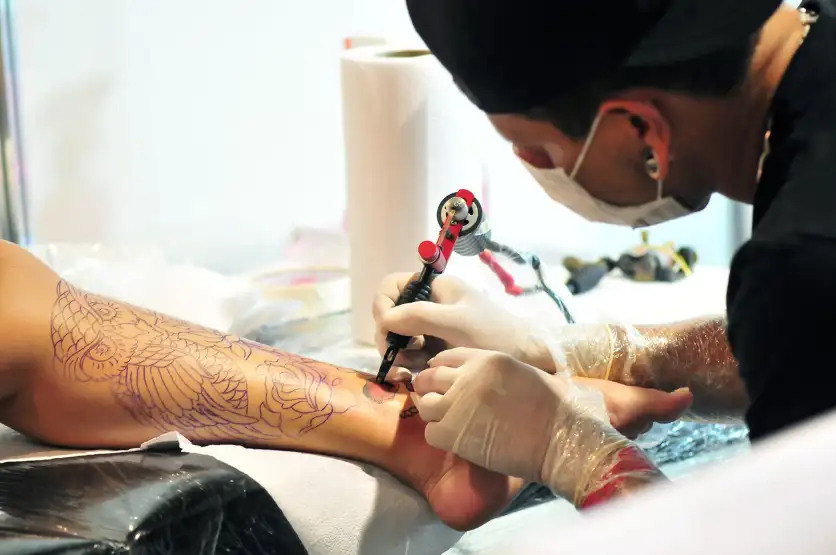
The 2027 Tattoo Act legalizes non-medical tattooing in South Korea, requiring licensed tattooists and registered studios. Tattooists must complete hygiene training, prepare SOPs, secure liability insurance, and gather documentation for temporary registration. 2026 is the crucial year to align operations with legal requirements.
KinInk.co.kr
With the 2027 Tattoo Act set to take effect on October 29, 2027, South Korean tattooists have a two-year preparation period. Known as the D-2 years, 2026 is the key time to update studio systems, complete hygiene and safety training, secure liability insurance, and organize all documents for licensing and temporary registration compliance.
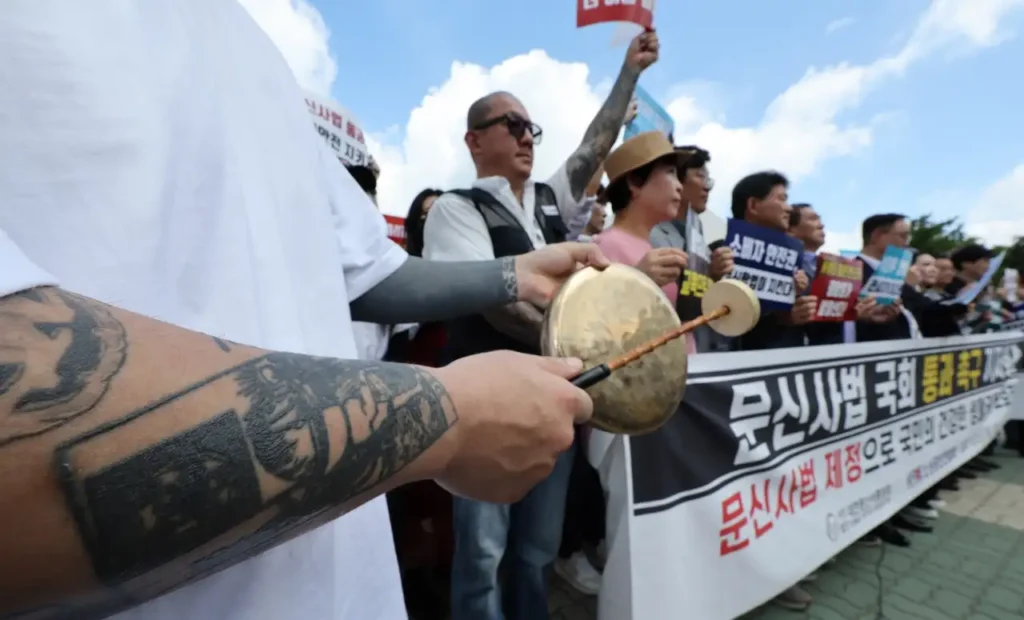
On October 28, 2025, South Korea enacted the Tattooist Act (문신사법), which will officially take effect on October 29, 2027. This law brings non-medical tattoo procedures into the legal framework, requiring tattooists to obtain national licenses, register studios, and comply with strict hygiene and safety standards.
With just two years remaining before the law’s enforcement, 2026 is a crucial period for tattooists to prepare for compliance, secure temporary registration, and align their studios with the upcoming legal framework.
Table of Contents
1. 2026–2029 Timeline: Key Milestones
| Year | Key Event |
|---|---|
| 2026 (Current) | Law enacted but non-medical tattooing is still prohibited. |
| 2027.10.29 | Enforcement begins: only licensed tattooists can operate in registered studios. |
| End of 2027 (Expected) | First national tattooist examination planned to roll out. |
| 2027–2029 | Temporary studio registration allowed under certain conditions. Must complete full licensing and official registration by October 28, 2029, or lose registration validity. |
Purpose of the 2-year grace period:
It allows existing tattooists to update skills, complete education, and prepare studios without sudden disruption.
2. Signals from the 2025 Tattooist Policy Forum
On November 25, 2025, a government forum discussed the stabilization of the tattooist system. Key topics included:
- Temporary registration rules
- Facility standards
- Education and training programs
- Addressing field confusion (fake licenses, scams)
Takeaway for 2026: Be aware of misinformation and potential fraud. Only rely on official government notices for compliance guidance.
3. Licensing Era: Who Gets Licensed and How
To operate legally, tattooists will need a license issued by the Ministry of Health and Welfare.
Key points for 2026 preparation:
- Eligibility and exam criteria: To be announced through official regulations.
- Existing tattooists: Temporary registration and license grace periods are expected for experienced practitioners.
- Hygiene education: Annual hygiene and safety training is mandatory to maintain the license.
4. Temporary (Special Case) Registration: 2026 Checklist
The government allows temporary tattoo studio registration during the transition period, provided that certain requirements are met.
2026 Action: Focus on assembling a complete documentation package to demonstrate eligibility.
Temporary Registration Requirements:
- No disqualifying history
- Studio equipped according to Ministry standards
- Completed annual hygiene training
- Annual health check confirming absence of communicable diseases
Documents to Prepare in 2026:
- Facility & Equipment Checklist (with photos)
- Hand hygiene stations
- Sterilization and disinfection equipment
- Storage of single-use needles & consumables
- Clear separation of contaminated and non-contaminated zones
- Waste management flow
- Hygiene & Safety SOP Set
- Tool sterilization
- Cross-contamination prevention
- Pre- and post-procedure care
- Emergency protocols
- Procedure Records
- Date, dye used, tattoo site
- Standardized storage of records for reporting
- Adverse Reaction Response Plan
- Standardized incident reports, customer guidance, internal reporting forms
5. Studio Standards: System over Space
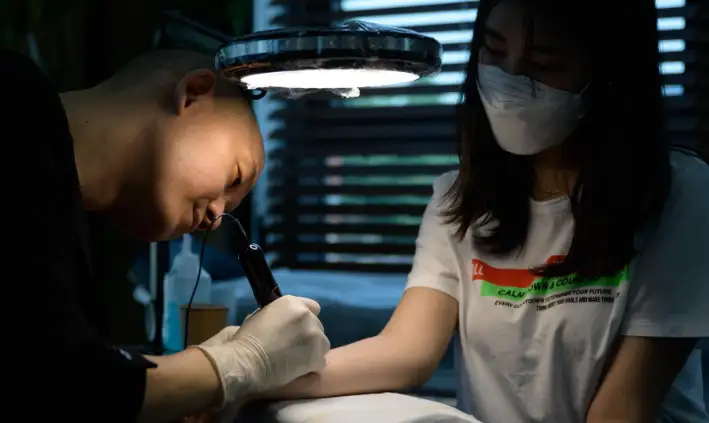
The new law emphasizes studio operational standards rather than location alone.
Essential Studio Functions:
- Sterilization of tools & single-use needle policy
- Safe disposal of potentially infectious waste
- Emergency transfer protocols to medical institutions
- Liability insurance coverage
- Informed consent procedure before tattooing
Prohibited Activities:
- Tattooing minors without guardian consent
- Tattooing outside registered studios
- Tattoo removal procedures (medical institution only)
6. Hygiene & Safety Training: From Requirement to KPI
- Annual hygiene training and health check-ups are repeating obligations.
- 2026 is the time to institutionalize SOPs and training records, not just attend classes.
Preparation Tips:
- Maintain internal logs of who completed training and when
- Version-control SOPs to reflect training updates
- Restrict information flow to official channels only to avoid fraud
7. Liability & Insurance: Process Is Key
Tattoo studios must have liability insurance and documented procedures for incident response.
2026 Focus:
- Define incident types (allergic reactions, infections, emergencies)
- Establish emergency transfer and customer communication scripts
- Standardize documentation linking insurance claims, procedure records, and dye lot numbers
- Maintain consent forms, post-care instructions, and dispute records
8. 2026 Action Plan: D-2 Year Checklist for Tattooists
- Standardize Studio Operations: Complete SOPs for sterilization, waste management, record-keeping, and emergencies.
- Confirm Facility & Equipment Standards: Focus on essential functions, avoid over-investment before detailed regulations are finalized.
- Schedule Annual Training & Health Checks: Treat these as business KPIs.
- Set Up Liability & Compensation System: Complete both processes and documentation templates.
- Plan for National Exam: Begin long-term study and practical preparation for the first 2027 national exam.
- Develop Temporary Registration Strategy: Use the two-year transition wisely, plan backward from the 2029 deadline.
Conclusion
The 2027 Tattooist Act is a major turning point for South Korea’s tattoo industry. For tattooists in 2026, preparation means systematizing studios, documenting compliance, and planning licensing strategies—not just waiting for the law to take effect. By acting now, practitioners can ensure a smooth transition into the legal framework, protect their business, and maintain customer trust.
References:
FAQs
What is the 2027 Tattoo Act and why is it important?
The 2027 Tattoo Act legalizes non-medical tattooing in South Korea. Tattooists must be licensed and operate in registered studios to ensure compliance, hygiene, and customer safety.
How can tattooists prepare for the 2027 Tattoo Act in 2026?
Prepare by completing hygiene training, creating SOPs, updating studio facilities, securing liability insurance, and organizing documents for temporary registration. These steps align with licensing requirements under the 2027 Tattoo Act.
What are the licensing requirements for tattooists under the 2027 Tattoo Act?
Tattooists must pass the national exam, obtain a Ministry of Health and Welfare license, complete annual hygiene and safety training, and comply with studio registration standards. Temporary registration is available during the transition period.
What should tattoo studios do to meet hygiene standards?
Studios must maintain sterilization and disinfection equipment, use single-use needles, separate contaminated and non-contaminated zones, follow SOPs for tattoo procedures, and document all operations for regulatory compliance.
Can tattooists operate before obtaining a license under the law?
Yes, temporary studio registration allows tattooists to operate during the transition period (up to 2029), provided they meet facility, hygiene, and documentation requirements outlined in the 2027 Tattoo Act.

