
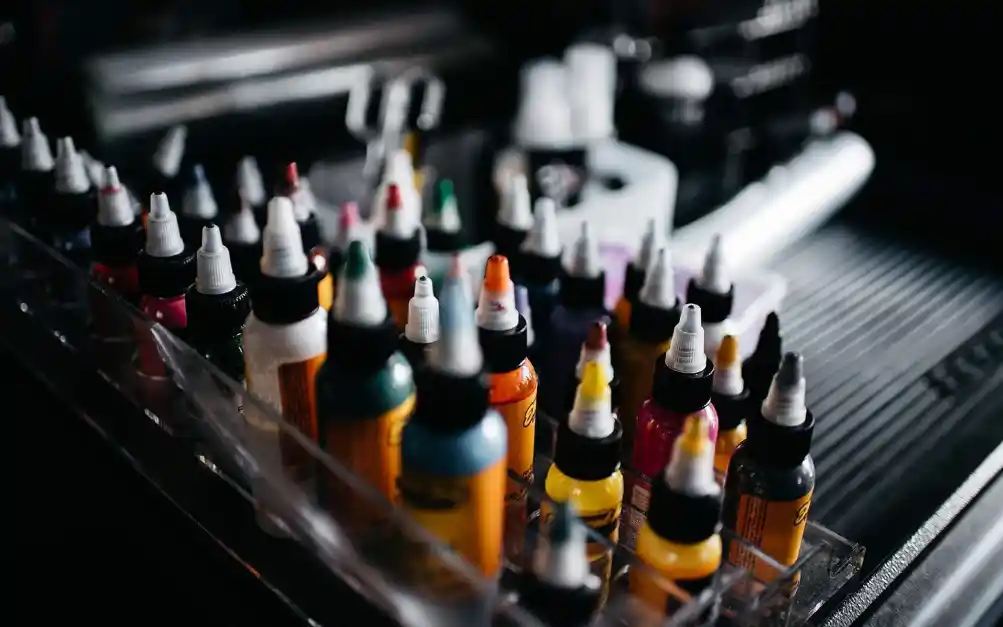
Tattoo ink safety refers to using sterile, regulated, and high-quality pigments to prevent infections, allergic reactions, and long-term skin complications. Artists and clinics must verify ingredients, ensure compliance with regulations, and use properly manufactured inks to protect client health and maintain professional standards.
KinInk.co.kr
Tattoo ink safety depends on three core factors: ingredient quality, sterile manufacturing, and regulatory compliance. For tattoo artists and clinics, choosing safe ink is not just a product decision—it directly affects client health outcomes, legal risk, and long-term reputation. Unsafe or poorly manufactured ink can lead to allergic reactions, infections, pigment instability, and even systemic complications.
This guide explains what tattoo ink contains, how safety risks occur, how to evaluate ink quality, and what standards professionals should follow in 2026.
Table of Contents
What Is Tattoo Ink?
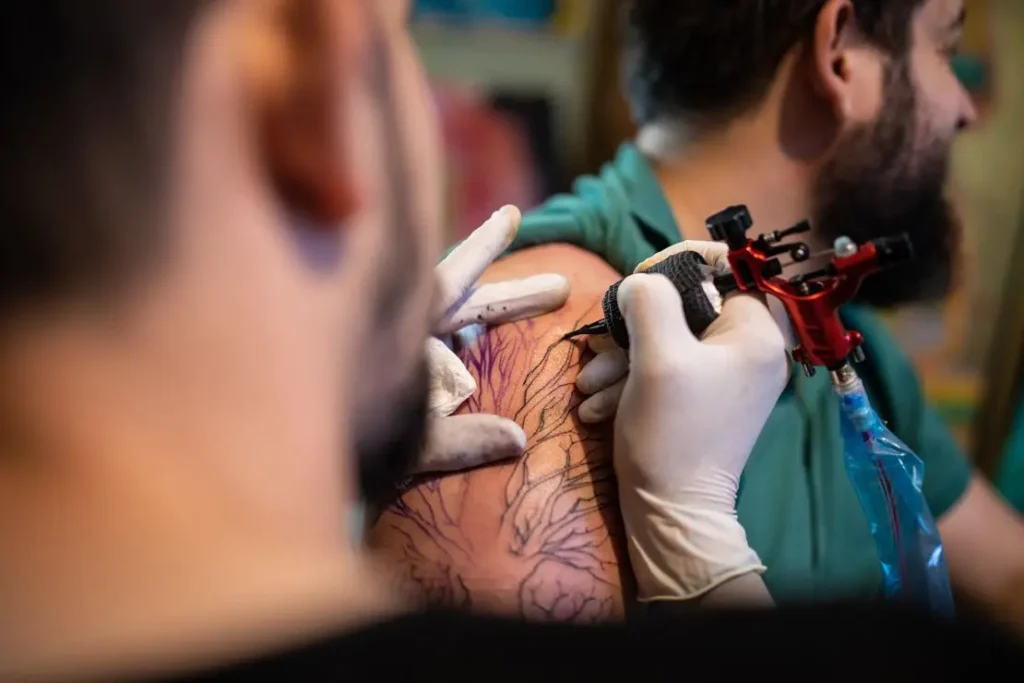
Tattoo ink is a complex injectable formulation designed to deposit stable pigment into the dermis layer of the skin. It typically contains:
- Pigments – Provide color (organic or inorganic compounds)
- Carrier solution – Liquid that delivers pigment evenly
- Additives – Stabilizers, preservatives, or dispersing agents
Unlike cosmetics applied on the skin surface, tattoo ink is introduced into living tissue, making its safety requirements closer to medical-grade products than traditional beauty items.
Why Tattoo Ink Safety Matters
1. Direct Injection Into the Body
Tattoo ink bypasses the skin barrier and enters the dermis. This means:
- Any contaminants or toxins can interact directly with the immune system
- Poor-quality ink can remain in the body for decades
2. Increasing Medical Awareness
Dermatology reports and regulatory reviews (e.g., EU safety committees, FDA monitoring) highlight risks such as:
- Chronic inflammation
- Delayed allergic reactions
- Pigment migration
3. Legal and Regulatory Pressure (2026 Standard)
Global regulations have tightened significantly:
- EU REACH regulations restrict hazardous substances in tattoo inks
- Many countries now require traceability and ingredient disclosure
- Clinics may face liability for using non-compliant products
What Are the Main Safety Risks?
1. Contamination (Microbial Risk)
Cause: Non-sterile manufacturing or improper storage
Impact:
- Bacterial infections (e.g., Mycobacterium species)
- Skin abscesses or delayed healing
Real-world example: Clinics have reported infections linked to pre-contaminated ink bottles—even when needles were sterile.
2. Toxic or Restricted Chemicals
Some pigments may contain:
- Heavy metals (lead, cadmium, mercury)
- Aromatic amines (linked to carcinogenic concerns)
- Polycyclic aromatic hydrocarbons (PAHs)
Mechanism: These substances can break down under UV light or laser removal, forming harmful byproducts.
3. Allergic Reactions
Common triggers:
- Red pigments (historically associated with mercury sulfide or azo compounds)
- Preservatives or additives
Symptoms:
- Persistent itching
- Swelling
- Granulomas (nodular inflammation)
Important: Allergic reactions may appear months or years after tattooing, making traceability critical.
4. Pigment Instability and Migration
Low-quality ink may:
- Fade unevenly
- Change color (e.g., black turning greenish)
- Spread beyond intended lines (blowout)
This is often due to poor particle size control or unstable chemical composition.
5. Complications During Laser Removal
Certain pigments can:
- Darken instead of lighten
- Release toxic breakdown products under laser exposure
This creates long-term risk even if the initial tattoo appears safe.
What Makes Tattoo Ink Safe?
1. High-Purity Pigments
Safe inks use:
- Certified pigments with controlled impurity levels
- Substances compliant with EU REACH and international safety guidelines
2. Sterile Manufacturing Process
Professional-grade ink must be:
- Produced in controlled environments (cleanroom standards)
- Sterilized (commonly via gamma irradiation)
- Free from bacteria, fungi, and endotoxins
3. Transparent Ingredient Disclosure
Reputable manufacturers provide:
- Full ingredient lists
- Batch numbers for traceability
- Safety Data Sheets (SDS)
4. Consistent Particle Size Distribution
Uniform pigment particles ensure:
- Stable color
- Predictable healing
- Reduced risk of migration
5. Regulatory Compliance
Look for alignment with:
- EU REACH standards
- Local health authority regulations
- Updated 2026 safety frameworks
How Artists and Clinics Can Evaluate Tattoo Ink
Practical Checklist (Professional Use)
Before purchasing:
- Is the ink compliant with current regulations?
- Does the manufacturer provide documentation (SDS, certification)?
- Are ingredients clearly disclosed?
Before using:
- Check packaging integrity (no leaks, tampering)
- Verify expiration date and batch number
- Ensure proper storage conditions
During use:
- Never dilute with non-sterile water
- Avoid mixing unknown brands
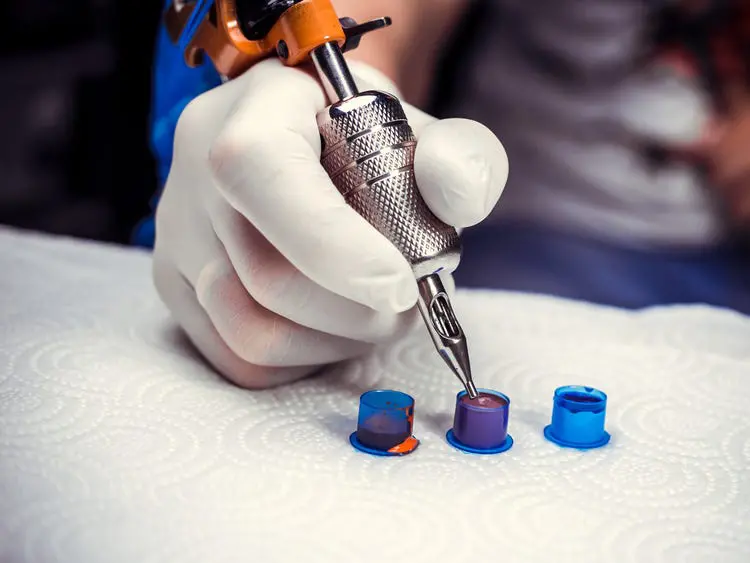
- Use single-use ink caps
Clinical Perspective: How Complications Develop
Tattoo complications often follow a predictable pathway:
- Exposure – Ink injected into dermis
- Immune response – Body recognizes pigment as foreign
- Outcome:
- Stable encapsulation (desired)
- Chronic inflammation (risk scenario)
Key insight: The immune system does not “ignore” tattoo ink—it controls and isolates it. Poor-quality ink disrupts this balance.
Best Practices for Clinics (2026 Standard)
Infection Control
- Use only sterile, sealed ink
- Maintain strict hygiene protocols
- Document every product used per client
Client Safety Screening
- Ask about allergies and skin conditions
- Perform patch testing when necessary
Documentation & Traceability
- Record:
- Ink brand
- Batch number
- Color used
- This is critical for managing delayed complications
Safe vs Unsafe Tattoo Ink (Quick Comparison)
| Factor | Safe Ink | Unsafe Ink |
|---|---|---|
| Sterility | Fully sterile | Possible contamination |
| Ingredients | Transparent, regulated | Unknown or restricted |
| Pigment quality | High purity | Contains heavy metals |
| Stability | Long-lasting, consistent | Fades or changes color |
| Compliance | Meets regulations | Non-compliant |
Key Takeaways
- Tattoo ink is an injectable product, requiring medical-grade safety standards
- The biggest risks are contamination, toxic ingredients, and poor formulation
- Safe ink must be sterile, transparent, and compliant with modern regulations
- Artists and clinics play a critical role in product selection and client safety
Final Insight
In modern tattoo practice, ink quality is no longer just about color performance—it is a clinical safety decision. As regulations tighten and clients become more informed, professionals who prioritize safe, traceable, and compliant ink will build stronger trust and long-term credibility.
For artists and clinics, the standard is clear in 2026:
If you cannot verify what is inside the ink, you should not put it into the skin.
FAQs
What is tattoo ink safety and why is it important?
Tattoo ink safety refers to using sterile and regulated tattoo ink to minimize health risks such as infections and allergic reactions. Understanding tattoo ink safety helps artists choose safe tattoo ink ingredients and comply with tattoo ink regulations, ensuring better outcomes for clients.
How can artists identify safe tattoo ink ingredients?
Artists can identify safe tattoo ink ingredients by checking for full ingredient disclosure, certification, and compliance with tattoo ink regulations. Professional tattoo ink standards require high-purity pigments, sterile production, and proper labeling for safety and traceability.
What risks are associated with unsafe tattoo ink?
Unsafe tattoo ink can cause infections, allergic reactions, pigment instability, and long-term skin damage. Ignoring tattoo ink safety and professional tattoo ink standards increases the risk of complications, especially when low-quality or non-compliant inks are used.
Are tattoo ink regulations the same worldwide?
No, tattoo ink regulations vary by country. The EU enforces strict tattoo ink safety rules under REACH, while other regions may have less oversight. Artists should always follow local tattoo ink regulations and prioritize globally recognized professional tattoo ink standards.
How do clinics ensure professional tattoo ink standards?
Clinics ensure professional tattoo ink standards by sourcing from reputable manufacturers, verifying safe tattoo ink ingredients, maintaining sterile handling practices, and documenting batch numbers. These steps are essential for maintaining tattoo ink safety and protecting client health.

