
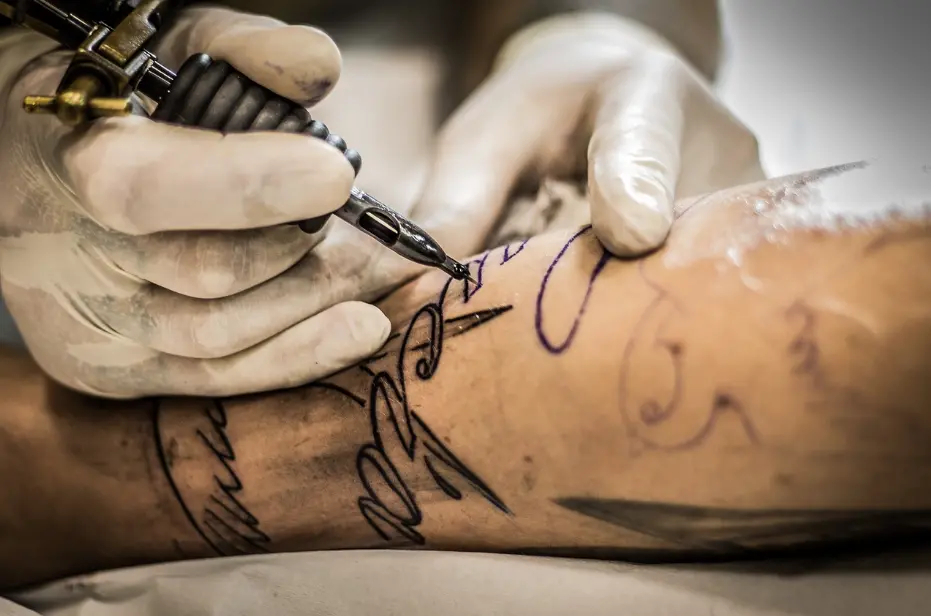
The tattoo licensing standard for professional artists requires national certification, registered studio compliance, and documented hygiene systems. In the licensing era, success depends on safety training, infection control protocols, liability insurance, and traceable pigment records—not artistic talent alone.
KinInk.co.kr
As of 2026, Korea’s tattoo industry is entering a structural transition:
from a skill- and art-centered market to a licensed, regulated, and accountability-driven profession.
The turning point is the enactment and promulgation of the Tattooist Act on October 28, 2025, which will come into force on October 29, 2027. Until enforcement begins, tattooing by non-medical practitioners remains prohibited in principle.
Under the law, “tattooing” refers to all invasive procedures that use needles or similar instruments to insert pigments into the skin—covering both traditional artistic tattoos and cosmetic procedures such as semi-permanent makeup, eyeliner, and scalp micropigmentation (SMP) within a single regulatory framework.
Table of Contents
1. The “Three-Tier Structure” of Professionalization: The Standard That Will Define the Market
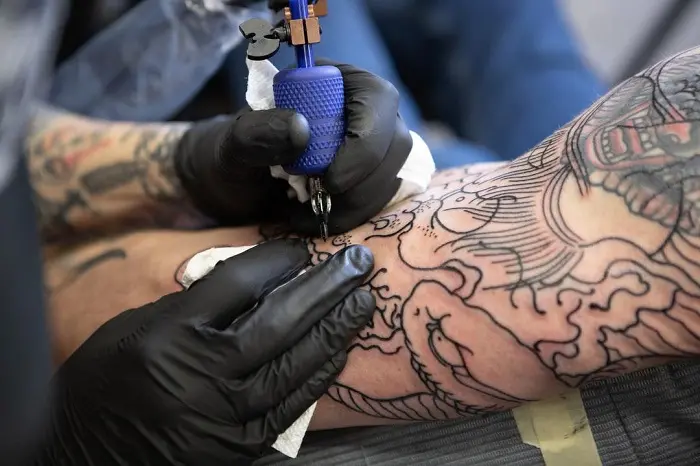
Individual artistic talent alone will no longer be enough. In the coming market, trust and competitive advantage are likely to belong to teams and studios that satisfy all three structural layers simultaneously.
1) Individual Level: National Exam + License
Passing the national examination and obtaining a tattooist license will become the legal starting point for practice—the foundation of being recognized as a “state-certified professional.”
2) Facility Level: Registered Tattoo Business
Tattooing will only be permitted in officially registered tattoo establishments.
Procedures performed in unregistered locations will be prohibited.
3) Operational Level: Annual Compliance + Risk Preparedness
Professional operation will require structured, repeatable compliance systems, including:
- Annual hygiene and safety training (mandatory)
- Annual health examination (mandatory)
- Single-use needles and properly sterilized instruments
- Safe handling and disposal of infectious waste
- Immediate suspension and medical referral in emergencies
- Documentation and retention of procedure date, pigment used, treated area, and other key details
- Mandatory liability insurance
- Written informed consent and consumer protection protocols
Those who build these three layers into a functioning system are likely to secure stronger positioning in pricing, branding, and client retention after legalization.
2-1. How to Prepare for the 2027 National Tattooist Examination (Based on 2026 Public Information)
A. When Will the Exam Begin?
According to January 2026 media reports (including Yonhap News and MBC), the first national tattooist examination is expected to be introduced in late 2027.
Administration of the exam may be delegated to the Korea Health Personnel Licensing Examination Institute (KHPLEI), and due to projected candidate volume and logistical considerations, a Computer-Based Testing (CBT) format is under review.
A key issue under discussion is how to evaluate practical and field competency in addition to theoretical knowledge.
B. Is the “Two Written Subjects + One Practical Subject” Structure Final?
As of 2026, detailed subjects and testing methods have not been formally finalized; they will be determined through subordinate regulations and official examination guidelines.
However, based on a 2024 Ministry of Health and Welfare research report, multiple media outlets have outlined a proposed structure of:
- Two written subjects
- One practical subject
Proposed Written Subjects
1. Health & Hygiene Management (Fundamental Medical + Public Health Minimum Standards)
Examples:
- Infection control and public hygiene
- Principles of sterilization and disinfection
- Skin structure and basic anatomy/physiology
Professional Preparation Approach:
Move beyond memorization. Train through case-based application:
- Infection pathways
- Risk assessment by skin condition
- Contraindications
- Adverse reaction protocol: “Stop – Document – Refer”
2. Safe Tattoo Practice & Regulatory Knowledge
Examples:
- Tattooist Act compliance
- Understanding pigment management systems
- Adverse reaction response
- Instrument sterilization and workspace hygiene
Professional Preparation Approach:
Be able to explain your workflow clearly:
- Clean/contaminated zoning design
- Sterilization, storage, and waste flow
- Temporary waste handling and disposal processes
Proposed Practical Subject
Safe Tattoo Practice Skills
Assessment is expected to focus not on artistic quality alone, but on full-process hygiene competence, including:
- Skin preparation (including shaving/cleansing where necessary)
- Disinfection protocols
- Needle and cartridge disposal
- Single-use consumable management
- Post-procedure sanitation
Important Note:
Traditional artistic tattoos and cosmetic tattooing are expected to be integrated under one unified license examination. Therefore, hygiene and infection control knowledge will be a shared mandatory competency across both fields.
Current research and reporting trends suggest that the exam will prioritize safety, infection control, and hygiene systems over purely design-based evaluation.
Final subjects and official criteria will be confirmed once subordinate regulations are published.
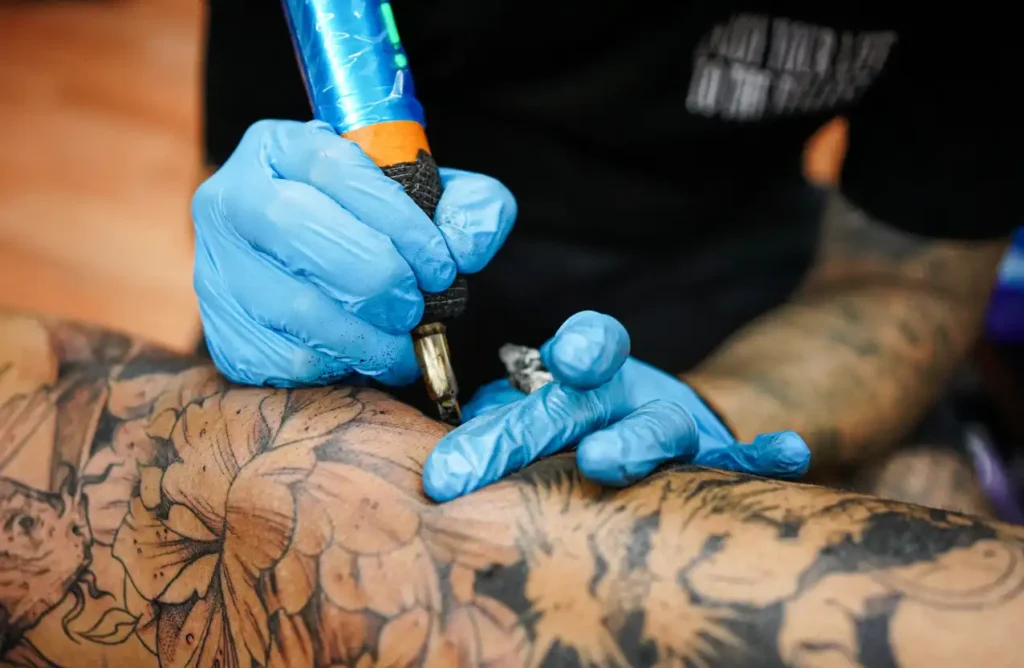
C. 2026–2027 Execution Roadmap to Increase Passing Probability
2026: Build the Foundation
- Complete Hygiene & Infection SOP 1.0
(Setup, sterilization, clean vs. contaminated separation, waste management) - Establish written consent forms, explanation documents, and aftercare guides
- Develop a structured procedure record template:
- Date
- Area treated
- Pigment used
- Lot number
- Needle type
- Special notes
- Aftercare instructions
- Conduct case-based practical simulations:
- Skin types
- Bleeding
- Swelling
- Pain management
- Suspected allergic reactions
2027: After Exam Guidelines Are Released
- Match published written exam scope 1:1 with your SOP structure
- Standardize practical routines so that safety is reproducible—
meaning anyone trained under your system can execute the same safe process consistently
2-2. “From Now On, Choose a State-Certified Professional”: Expertise = Safety + Documentation + Accountability
After legalization, the public expectation of a “state-certified professional” can be summarized in one sentence:
A professional is someone who can explain the quality of their results through safety, documentation, and accountability.
Below is a professional checklist translated from legal obligations into client-understandable language.
Professional Artist Compliance Checklist
- Annual hygiene and safety training (mandatory)
- Annual health examination (mandatory)
- Single-use needle policy + sterilized instruments
- Separation of clean and contaminated workflow zones
- Structured infectious waste disposal system
- Immediate suspension and medical referral during emergencies
- Written consent + disclosure of risks and side effects
- Mandatory liability insurance coverage
- Detailed procedure record retention
- No procedures on minors without guardian consent; tattoo removal prohibited for non-medical practitioners
- Mandatory reporting of adverse events to local authorities
- No procedures outside registered tattoo establishments
- No false, exaggerated, or defamatory advertising
2027–2029 Transition Period: The Impact of Temporary Registration
According to policy briefings and media reports, after enforcement on October 29, 2027:
- A temporary tattoo business registration may be allowed for up to two years if eligibility conditions are met
- Full licensing and official establishment registration must be completed by October 28, 2029
During this transition period, market movement may be driven by one factor:
How quickly studios shift to documented, safety-based operational systems.
3. Why Product (Ink) Standards Will Become Stricter After Legalization
Once the law requires documentation and retention of pigment information, tattoo ink will no longer be treated as a simple consumable—it becomes a traceable material.
To be perceived as professional, a studio should maintain at minimum:
- Product name, color code, and lot/batch information
- Safety documentation (e.g., SDS) and internal quality control records (ideally COA or test-based certification)
- Transparent disclosure to clients that pigment usage is recorded and traceable
In the licensing era, professionalism will not be defined by artistry alone, but by the ability to demonstrate structured safety, traceability, and responsibility at every step.

FAQs
What is the tattoo licensing standard for professional artists?
The tattoo licensing standard for professional artists requires passing a tattoo national license exam, operating within licensed tattoo studio requirements, and maintaining a tattoo hygiene compliance system that includes annual training, sterilization protocols, and documented safety procedures.
When does the tattoo national license exam begin?
The tattoo national license exam is expected to launch in 2027. Artists preparing for the tattoo licensing standard for professional artists should begin building hygiene compliance systems and documentation workflows in advance to increase exam readiness.
What are the licensed tattoo studio requirements?
Licensed tattoo studio requirements include official business registration, separation of clean and contaminated zones, infectious waste disposal systems, liability insurance, and proper pigment traceability under the tattoo licensing standard for professional artists.
Why is a tattoo hygiene compliance system important?
A tattoo hygiene compliance system is central to the tattoo licensing standard for professional artists because regulators prioritize infection control, sterilization procedures, documented records, and emergency response protocols over purely artistic evaluation.
How can artists prepare for the new tattoo licensing standard?
To meet the tattoo licensing standard for professional artists, artists should develop SOP-based hygiene workflows, implement traceable pigment documentation, prepare for the tattoo national license exam, and ensure their studio meets licensed tattoo studio requirements before enforcement begins.

